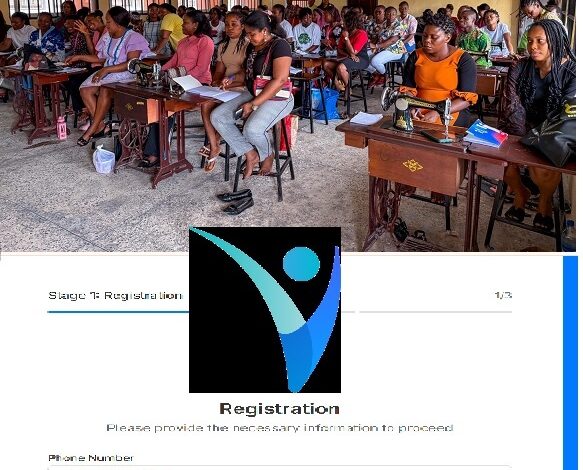
2026 Federal Government TVET Programme (Second Phase) Application Portal
The Federal Government of Nigeria has officially opened applications for the second phase of the Technical and Vocational Education and Training (TVET) Programme for 2026. This initiative is part of a broader national strategy aimed at tackling unemployment, empowering youths with practical skills, and strengthening Nigeria’s workforce in both formal and informal sectors.
The TVET programme is designed to equip Nigerians especially young people, school leavers, and job seekers—with hands-on technical and vocational skills that are directly relevant to today’s job market. Unlike traditional academic pathways that focus heavily on theory, TVET emphasizes practical competence, industry readiness, and self-reliance.
With the second phase now open, thousands of Nigerians have another opportunity to apply, get trained, and transition into skilled employment or entrepreneurship.
What is the TVET Programme?
Technical and Vocational Education and Training (TVET) refers to structured training programs that focus on practical skills required for specific trades, professions, or industries. In Nigeria, the Federal Government’s TVET programme is implemented through collaboration with:
- Technical colleges
- Vocational training centres
- Accredited private institutions
- Industry partners
The goal is to bridge the gap between education and employment by producing skilled workers who can contribute meaningfully to the economy.
Objectives of the 2026 TVET Second Phase
The second phase of the TVET programme builds on the successes and lessons learned from the first phase. It is structured to deliver more targeted, inclusive, and impactful outcomes.
Youth Empowerment and Employment
One of the primary goals is to reduce unemployment by equipping participants with marketable skills. Many Nigerian youths struggle to find jobs due to lack of practical experience, and this programme addresses that gap directly.
Promotion of Entrepreneurship
Participants are not only trained to seek employment but also to start their own businesses. Skills in areas such as tailoring, welding, ICT, and agriculture can easily be turned into income-generating ventures.
Bridging the Skills Gap
Industries in Nigeria often complain about the shortage of skilled labor. The TVET programme aims to produce competent technicians and artisans who meet industry standards.
Economic Development
By increasing the number of skilled workers, the programme contributes to national productivity, industrial growth, and economic diversification.
Who Can Apply for the TVET Programme 2026?
The programme is open to a wide range of applicants across Nigeria. However, certain eligibility criteria must be met.
2026 Federal Government TVET Programme (Second Phase) Application Portal
General Eligibility Requirements
Applicants must:
- Be Nigerian citizens
- Be within the age range of 18 to 35 years (in most cases)
- Have at least basic literacy (ability to read and write)
- Be willing to undergo full training duration
- Show commitment to skill acquisition
Priority Groups
The programme gives special consideration to:
- Unemployed youths
- School leavers (SSCE holders)
- Graduates without employable skills
- Women and underrepresented groups
- Persons interested in vocational careers
Available Training Areas in the 2026 TVET Programme
The second phase offers a wide variety of skill areas tailored to current market demands in Nigeria.
Technical and Engineering Trades
- Electrical installation and maintenance
- Welding and fabrication
- Plumbing and pipe fitting
- Mechanical repairs and maintenance
- Refrigeration and air conditioning
These trades are highly востребованные and offer strong earning potential.
ICT and Digital Skills
- Web development
- Mobile app development
- Graphic design
- Digital marketing
- Data analysis
With Nigeria’s growing digital economy, ICT skills are among the most valuable.
Creative and Artisan Skills
- Fashion design and tailoring
- Hairdressing and cosmetology
- Interior decoration
- Photography and videography
These skills are ideal for self-employment and small business creation.
Agricultural and Agro-Based Skills
- Crop production
- Livestock farming
- Fish farming
- Agribusiness management
Agriculture remains a major employment sector in Nigeria.
Construction and Building Skills
- Masonry
- Carpentry
- Painting and finishing
- Tiling
These skills are essential for infrastructure development.
Benefits of Participating in the TVET Programme
The Federal Government has structured the programme to provide significant benefits to participants.
Free or Subsidized Training
Most of the training is offered at little or no cost, making it accessible to individuals from all backgrounds.
Hands-On Practical Experience
Participants gain real-world experience through workshops, field training, and practical sessions.
Certification
Upon completion, participants receive recognized certificates that improve employability.
Starter Packs and Grants
In some cases, successful participants receive starter kits or financial support to begin their own businesses.
Job Placement Opportunities
The programme collaborates with industries to facilitate job placements for top-performing participants.
Step-by-Step Guide to Apply for TVET Programme 2026
Applying for the second phase requires careful attention to detail. Follow these steps to ensure a successful application. https://www.tvet.education.gov.ng/signup
Step 1: Prepare Required Information
Before applying, gather:
- Personal details (name, date of birth, contact information)
- Educational background
- Preferred training area
- Identification documents
Step 2: Access the Official Application Portal
Applications are typically submitted through an official government portal. Ensure you use only verified platforms to avoid scams. https://www.tvet.education.gov.ng/signup
Step 3: Complete the Online Form
Fill in all required fields accurately. Double-check your entries before submission.
Step 4: Upload Necessary Documents
These may include:
- Passport photograph
- National ID or other identification
- Educational certificates
Step 5: Submit and Print Confirmation
After submission, print or save your confirmation slip for reference.
Selection Process and What to Expect
After the application phase, candidates go through a selection process.
Screening and Shortlisting
Applications are reviewed based on eligibility and completeness.
Aptitude or Basic Assessment
Some applicants may be required to take a basic test or attend an interview.
Final Selection
Successful candidates are notified and assigned to training centres.
Important Tips to Increase Your Chances of Selection
Apply Early
Do not wait until the deadline. Early applications often receive better consideration.
Choose a Relevant Skill Area
Select a training area that aligns with your interests and career goals.
Provide Accurate Information
Incorrect or inconsistent details can lead to disqualification.
Stay Updated
Regularly check for updates regarding your application status.
2026 Federal Government TVET Programme (Second Phase) Application Portal
Detailed Requirements for TVET Programme 2026 Application
To successfully apply for the second phase of the Federal Government TVET Programme in 2026, applicants must ensure that all required documents and information are properly prepared and submitted. Incomplete or incorrect documentation remains one of the major reasons many Nigerian applicants are disqualified every year.
Personal Identification Documents
Applicants are expected to provide valid means of identification. Acceptable documents typically include:
- National Identification Number (NIN) slip
- Voter’s Card
- International Passport (if available)
- Driver’s License
The information on your ID must match exactly with what you provide during registration.
Educational Qualification Documents
Although the programme is open to individuals with basic education, you may still need to submit:
- WAEC, NECO, or NABTEB results
- Primary school certificate (in some cases)
- Any additional vocational or technical certificates
Even if you are not highly educated, honesty is critical. Do not falsify results.
Passport Photograph
A recent passport photograph is usually required. Ensure that:
- The background is clear
- Your face is visible
- The image is not blurred
Contact Information
Provide active and accessible contact details:
- Phone number
- Email address
All communication regarding your application will be sent through these channels.
Duration and Structure of the TVET Training Programme
Understanding how the training is structured will help you prepare mentally and physically for the programme.
Training Duration
The duration varies depending on the skill area, but generally falls within:
- Short-term programmes: 3 to 6 months
- Medium-term programmes: 6 to 9 months
Highly technical fields like ICT or engineering-related trades may take longer.
Training Format
The programme combines both theoretical and practical learning.
Classroom Sessions
Participants are introduced to:
- Basic concepts
- Safety procedures
- Industry standards
Practical Workshops
This is the core of the programme. Participants will:
- Handle real tools and equipment
- Work on live or simulated projects
- Gain hands-on experience
Industrial Attachment (Where Applicable)
Some participants may be placed in real workplaces to gain industry exposure.
Stipends, Allowances, and Financial Support
One of the most attractive aspects of the TVET programme is the financial support provided to participants.
Monthly Stipends
In many cases, participants receive stipends to cover:
- Transportation
- Feeding
- Basic personal expenses
This helps reduce the financial burden during training.
Starter Packs
Upon successful completion, some participants are given starter kits related to their trade. For example:
- Tailoring trainees may receive sewing machines
- Welding trainees may receive basic tools
- ICT trainees may receive laptops or software support
Grants and Business Support
Top-performing participants may qualify for:
- Small business grants
- Access to government empowerment schemes
- Linkages to microfinance institutions
Training Centres and Locations Across Nigeria
The TVET programme is implemented nationwide to ensure equal access for all Nigerians.
Federal and State Technical Colleges
Many training sessions are held in government-owned technical institutions equipped with workshops and training facilities.
Accredited Private Training Centres
The government partners with private institutions that meet quality standards.
Regional Accessibility
Applicants are usually assigned to centres close to their location to reduce travel stress and cost.
Common Mistakes Applicants Must Avoid
Every year, thousands of applicants miss out on this opportunity due to avoidable mistakes. Understanding these pitfalls can significantly improve your chances.
Late Application Submission
Waiting until the last minute can lead to:
- Website congestion
- Incomplete submissions
- Missed deadlines
Providing False Information
Some applicants attempt to manipulate their details. This often leads to disqualification during verification.
Choosing the Wrong Skill Area
Selecting a skill you are not interested in can lead to:
- Poor performance
- Loss of motivation
- Dropping out before completion
Ignoring Instructions
Failure to follow application guidelines can result in rejection.
Career Opportunities After Completing the TVET Programme
Completing the TVET programme opens multiple pathways for Nigerian youths.
Employment Opportunities
Graduates can secure jobs in:
- Construction companies
- Manufacturing industries
- ICT firms
- Agricultural enterprises
Skilled workers are always in demand.
Self-Employment and Entrepreneurship
Many participants choose to start their own businesses. Examples include:
- Tailoring shops
- Repair workshops
- Digital service agencies
- Agribusiness ventures
Freelancing Opportunities
ICT-related skills enable participants to work online and earn income globally.
Further Education and Certification
Participants can pursue advanced certifications to deepen their expertise.
2026 Federal Government TVET Programme (Second Phase) Application Portal
How to Build a Successful Career After TVET Training
Completing the programme is only the beginning. Long-term success requires strategy and consistency.
Start Small but Be Consistent
You do not need large capital to begin. Use the skills you have acquired to start with available resources.
Build a Portfolio
Document your work:
- Take pictures of completed projects
- Create a simple portfolio
- Showcase your skills to potential clients
Network and Collaborate
Connect with:
- Fellow trainees
- Industry professionals
- Mentors
Networking can lead to job opportunities and partnerships.
Continue Learning
Technology and industries evolve rapidly. Keep upgrading your skills through:
- Online courses
- Workshops
- Certifications
Opportunities for Women and Special Groups
The TVET programme strongly encourages participation from women and marginalized groups.
Women Empowerment
Women are supported to enter fields such as:
- ICT
- Engineering trades
- Agribusiness
This helps bridge gender gaps in technical professions.
Inclusion of Persons with Disabilities
Special provisions are often made to ensure accessibility and participation.
Why the 2026 TVET Programme is a Major Opportunity for Nigerians
Nigeria’s economy is shifting toward skill-based employment. Academic degrees alone are no longer sufficient in many sectors. The TVET programme provides:
- Practical skills that employers need
- Opportunities for self-reliance
- Pathways to financial independence
For many Nigerians, this programme can be life-changing.
Final Advice for Applicants
If you are considering applying for the second phase of the TVET Programme in 2026, take the process seriously.
- Prepare your documents early
- Choose your skill area wisely
- Follow all instructions carefully
- Stay committed throughout the training
Success in this programme depends largely on your dedication and willingness to learn.
Conclusion
The Federal Government’s decision to open applications for the second phase of the TVET Programme in 2026 represents a significant opportunity for Nigerians seeking practical skills, employment, and financial independence.
This initiative is more than just a training programme it is a pathway to empowerment, economic growth, and national development. By equipping individuals with relevant skills, the programme addresses unemployment and prepares participants for real-world challenges.
For students, job seekers, and aspiring entrepreneurs across Nigeria, this is the right time to take advantage of the opportunity. With the right mindset, commitment, and effort, the TVET programme can serve as a powerful foundation for a successful and sustainable career.