University of Ibadan Admission List and School Fees for the 2025/2026 Academic Session

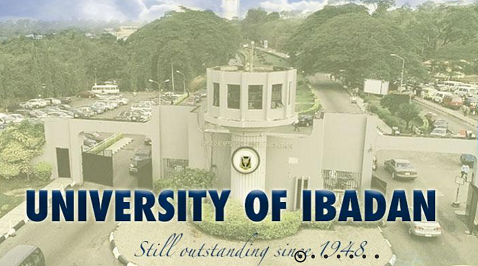
University of Ibadan Admission List and School Fees for the 2025/2026 Academic Session
Introduction
The University of Ibadan remains one of the most respected higher institutions in Africa. Every academic session attracts tens of thousands of applicants who consider the institution for its research quality, academic excellence, experienced faculty and global reputation. As the 2025–2026 academic session approaches, many candidates are eager to know when the admission list will be released, how to check their status, what procedures must be followed after securing admission and what the school fees structure looks like for the new academic year.
This comprehensive guide provides well-researched, updated and detailed information on the University of Ibadan admission list and school fees for both new and returning students for the 2025–2026 academic session. It also covers the institution’s background, admission process, school fees breakdown, hostel accommodation fees, departmental levies, acceptance fee guidelines and other essential requirements every prospective student must know.
The purpose of this article is to guide applicants, parents and guardians who seek credible and structured information to prepare adequately for the new academic year.
Overview of the University of Ibadan Admission for the 2025–2026 Session
The University of Ibadan admission process follows a strict academic standard. Admission is merit-based, with major emphasis on candidates’ UTME scores, Post-UTME performance, O’level results and departmental cut-off marks.
For the 2025–2026 academic session, the university has structured its admission rollout in stages. These include the release of:
• Provisional admission list
• Second batch admission list
• Third batch or supplementary list
• Change-of-course admission list
• Direct Entry admission list
Each stage allows the university to accommodate candidates who meet the prescribed requirements and demonstrate academic competence. This overview is vital for applicants who must understand the phases of the admission process and follow the correct steps.
Importance and Relevance in the Context of the 2025–2026 Academic Session
The 2025–2026 academic session holds particular relevance because:
• Many Nigerian students experienced disruptions in previous academic cycles due to national economic challenges.
• Increased demand for university education means competition is stronger than in previous years.
• Tuition adjustments across Nigerian universities have made accurate school fee information essential for parents and guardians.
• The cost of living in Nigeria has affected accommodation, feeding and transportation, making it important for students to plan ahead.
• Digitalization of admission processes has made it crucial for candidates to understand online screening, CAPS approval and acceptance procedures.
Therefore, accurate information about admission lists and school fees impacts candidates’ decision-making, budgeting plans, academic preparation and overall readiness for the new session.
Main Background of the University of Ibadan Admission System
University of Ibadan as Nigeria’s Premier University
The University of Ibadan, established in 1948, is Nigeria’s oldest university and continues to maintain its renowned academic pedigree. It evolved from a college affiliated with the University of London to a fully autonomous institution. Its faculties, research centers and postgraduate programs attract international attention.
The Admission Framework
Admission into the University of Ibadan is governed by:
• Joint Admissions and Matriculation Board
• University Senate
• Departmental committees for screening and verification
The admission framework assesses:
• UTME performance
• Post-UTME examination scores
• O’level combinations
• Catchment area considerations
• Merit and supplementary categories
This structured background ensures transparency, fairness and academic excellence.
University of Ibadan Admission List and School Fees for the 2025/2026 Academic Session
Institutional and Academic History Relevant to Admissions
The University of Ibadan has a longstanding tradition of maintaining high admission standards. Over the decades:
• Competitive cut-off marks have remained central to student selection.
• The university established a high research culture that drives admission demand.
• Faculties such as Medicine, Pharmacy, Law, Engineering and Social Sciences are among the most sought after in Nigeria.
• The institution embraced digital screening procedures around 2015 and has strengthened its online admission processes over the years.
• A stable academic calendar continues to attract more applicants annually.
This historical context gives prospective students a clear understanding of why admissions at the University of Ibadan are rigorous and academically demanding.
Purpose and Objectives of the Admission Process
The goals of the University of Ibadan admission exercise include:
• Selecting qualified and academically capable candidates.
• Ensuring fairness and transparency in the selection process.
• Aligning new intakes with the institution’s academic calendar.
• Maintaining the university’s global ranking through a standardised screening system.
• Providing opportunities for students from all backgrounds who meet merit and supplemental requirements.
• Ensuring orderly verification and documentation for all new students.
These objectives guide the entire admission process for the 2025–2026 academic session.
Admission Lists and Categories for 2025–2026
The University of Ibadan releases its admission lists in phases. Candidates must consistently check their status and follow the right procedures. Below are the categories expected for 2025–2026:
First Batch Admission List
This category contains candidates who meet the highest departmental cut-off standards. They often fall within the top performance bracket in the Post-UTME screening.
Second Batch Admission List
This list accommodates candidates who narrowly miss the first batch threshold but still meet faculty requirements.
Third Batch or Supplementary Admission List
Candidates with lower but acceptable composite scores are considered in this category.
Change of Course Admission List
This list is for candidates who originally applied for highly competitive programmes but later moved to departments with lower cut-off marks.
Direct Entry Admission List
This is for candidates with A-Level results, JUPEB, OND, NCE or equivalent qualifications.
University of Ibadan Admission List and School Fees for the 2025/2026 Academic Session
Positions, Programmes and Faculties Available
The University of Ibadan offers a broad range of undergraduate programmes across various faculties. Applicants for the 2025–2026 session can expect placements in the following faculties:
Faculty of Arts
Programmes include:
• English
• Linguistics
• Philosophy
• Theatre Arts
• Classics
• Music
Faculty of Science
Programmes include:
• Chemistry
• Physics
• Mathematics
• Geography
• Computer Science
• Microbiology
• Zoology
• Botany
Faculty of Social Sciences
Programmes include:
• Sociology
• Psychology
• Geography
• Political Science
• Economics
Faculty of Education
Programmes include:
• Adult Education
• Guidance and Counselling
• Educational Management
• Human Kinetics
• Special Education
Faculty of Law
The Bachelor of Law programme remains one of the most competitive.
College of Medicine
Programmes include:
• Medicine and Surgery
• Dentistry
• Nursing
• Physiology
• Biochemistry
Faculty of Pharmacy
Pharmacy is also a highly competitive programme requiring strong academic performance.
Faculty of Agriculture
Programmes include:
• Agricultural Economics
• Animal Science
• Crop Protection
• Forest Resources Management
Faculty of Renewable Natural Resources
Programmes include Forestry, Wildlife Management and related courses.
Faculty of Technology
Programmes include:
• Civil Engineering
• Electrical Engineering
• Petroleum Engineering
• Industrial Production Engineering
• Food Technology
These programmes represent the full range of undergraduate opportunities available for 2025–2026 admissions.
Eligibility and Requirements for Admission
General Requirements
All candidates for the 2025–2026 session must meet the following:
• Five O’level credits in relevant subjects
• Acceptable UTME score
• Successful completion of University of Ibadan Post-UTME
• Meeting departmental cut-off marks
• Correct subject combinations for the course chosen
• Valid birth certificate or age declaration
• Completed online registration
Additional Requirements
● Candidates for professional courses such as Medicine, Pharmacy and Law must meet exceptionally high cut-off marks.
● Direct Entry candidates must provide transcripts or A-level results.
● All admitted students must print their JAMB admission letter before clearance.
● Medical screening is compulsory for all new entrants.
School Fees Structure for the 2025–2026 Academic Session
School fees for the University of Ibadan vary based on the faculty and departmental requirements. The 2025–2026 academic session will follow the institution’s standardised structure which includes:
Acceptance Fee
All newly admitted students must pay an acceptance fee as the first step of admission clearance. This confirms their admission status.
Tuition and Departmental Charges
School fees include:
● Tuition
● Departmental charges
● Laboratory fees for science courses
● Library charges
● Sports levy
● ICT dues
● Faculty association charges
Faculty-Based Estimated Ranges
• College of Medicine and Faculty of Pharmacy generally have higher charges due to laboratory and practical components.
• Engineering and Science programmes also attract additional practical fees.
• Social Sciences and Arts programmes have moderate tuition costs.
• Education programmes are among the most affordable.
Hostel Accommodation Fees
Hostel charges apply separately for students interested in university-managed accommodation. This includes:
● Bed space fee
● Maintenance charges
● Utility levy
Accommodation availability is highly competitive and allocated on a first-come, first-served basis.
University of Ibadan Admission List and School Fees for the 2025/2026 Academic Session
Application Procedures After Admission
Once a candidate is offered admission into the University of Ibadan, the following steps must be completed:
Accepting Admission
-
Log in to your Central Admission Processing System profile.
-
Accept the admission offer to validate your status.
-
Print the official JAMB admission letter.
University Portal Registration
-
Create a student profile on the University of Ibadan portal.
-
Upload required documents including birth certificate, O’level results and UTME results.
-
Generate acceptance fee invoice.
-
Pay acceptance fee through approved banks or online payment platforms.
-
Proceed with screening and biodata registration.
Medical Screening
All new students must undergo compulsory medical tests at the designated university health centre.
Payment of School Fees
Students must generate invoices for tuition fees and complete payment before faculty clearance.
Faculty and Department Registration
Students must:
● Visit their departments for verification
● Obtain course registration guidelines
● Register online for first semester courses
This process must be completed before lectures begin.
Faculty of Arts School Fees Structure
The Faculty of Arts is one of the most affordable in the university because most programmes do not require laboratory or field practical charges.
Expected Components
● Tuition
● Departmental dues
● Faculty dues
● ICT charges
● Library services
● Identity card
● Medical charges
Estimated Fee Range
The expected total fee range for new students is structured around affordability while maintaining academic quality. For returning students, the range remains similar without the freshers’ administrative charges.
Faculty of Science School Fees Structure
The Faculty of Science has additional costs due to laboratory work, experiment materials and scientific equipment.
Expected Components
● Tuition
● Laboratory charges
● Chemical and reagent fees
● Departmental dues
● ICT charges
● Library access fees
● Sports levy
Laboratory Impact
Programmes such as Chemistry, Biological Sciences, Microbiology and Physics involve heavy laboratory exposure, which increases student charges relative to non-science courses.
Faculty of Social Sciences School Fees Structure
The Faculty of Social Sciences maintains moderate fees because most courses do not require technical laboratory usage.
Expected Fee Components
● Tuition
● Departmental dues
● Faculty dues
● ICT fees
● Development levy
● Library charges
Competitive Programmes
Economics, Psychology and Political Science often have high demand, which influences certain departmental levies for new students.
Faculty of Law School Fees Structure
Law remains one of the prestigious programmes in Nigeria and often attracts slightly higher fees.
Expected Fee Components
● Tuition
● Moot court fees
● Faculty dues
● Law library access
● ICT charges
● Professional association dues
The practical components of legal training contribute to cost differences between Law and Social Sciences.
Faculty of Pharmacy School Fees Structure
Pharmacy programmes require laboratory work, chemical reagents and pharmaceutical tools.
Expected Fee Components
● Tuition
● Laboratory charges
● Practical equipment fees
● Pharmaceutical council dues
● ICT and library fees
Pharmacy fees remain on the high side due to the technical nature of the programme.
University of Ibadan Admission List and School Fees for the 2025/2026 Academic Session
College of Medicine School Fees Structure
Medical programmes have the highest fees at the University of Ibadan because of clinical training and scientific practical components.
Programmes Covered
● Medicine and Surgery
● Nursing
● Dentistry
● Physiology
● Biochemistry
Expected Fee Components
● Tuition
● Laboratory and clinical charges
● Medical practicum fees
● Departmental levies
● Hospital rotation dues
● ICT charges
● Health insurance and medical centre services
Clinical rotations and laboratory requirements significantly influence overall costs.
Faculty of Education School Fees Structure
The Faculty of Education offers some of the lowest tuition fees but includes practical teaching exposure.
Expected Fee Components
● Tuition
● Teaching practice fees
● Faculty dues
● Departmental levies
● ICT charges
Teaching practice fees are a compulsory component for returning students.
Faculty of Agriculture School Fees Structure
Agriculture programmes require both laboratory and field-based activities.
Fee Components
● Tuition
● Laboratory charges
● Field trip fees
● Departmental charges
● Equipment and materials levy
Agricultural field trips contribute to additional charges.
Faculty of Technology School Fees Structure
Engineering and technology programmes involve practical training, workshops and laboratory work.
Typical Fee Components
● Tuition
● Engineering workshop fees
● Laboratory charges
● Departmental levies
● ICT fees
● Safety equipment fees
These costs place the Faculty of Technology in the upper fee category.
Hostel Accommodation Fees for the 2025–2026 Academic Session
Accommodation is highly sought after because living within campus ensures better access to classes, reduced transportation cost and increased security.
Types of Hostels
● Undergraduate hostels
● Female hostels
● Postgraduate hostels
● Private partner hostels within campus vicinity
Components of Hostel Fees
● Bed space allocation
● Maintenance charges
● Utility fees
● Hostel association dues
● Security levy
Demand and Allocation
Accommodation is provided based on early payment and university priority lists. High-demand hostels often fill up within days of opening.
University of Ibadan Admission List and School Fees for the 2025/2026 Academic Session
Additional Charges Students Should Expect
Apart from the main school fees, students may encounter the following costs:
Identity Card Replacement
If a student loses the ID card, a new one must be purchased.
Faculty and Departmental Registration
Some units charge small administrative fees.
Field Trips
Programmes such as Geography, Agriculture, Wildlife Management and Zoology require compulsory field trips.
Studio Fees
Applicable to Theatre Arts and some media-related courses.
Late Registration Fees
Failure to register early attracts penalties.
Step-by-Step Guide to Checking the University of Ibadan Admission List (2025–2026)
In Part 1, the admission categories were explained. Part 2 focuses on the step-by-step procedure students follow after each admission batch is released.
Step One: Monitor Admission List Releases
Candidates should consistently check both the JAMB platform and the school admission portal once lists begin to roll out.
Step Two: Candidate Verification
Ensure all documents used for registration correspond with the information submitted during Post-UTME.
Step Three: Accepting the Admission
Students must accept admission through the designated platform to secure their placement.
Step Four: Printing of Admission Letter
This document is part of the clearance requirements and must be printed before screening.
Step Five: University Portal Activation
Candidates must create an academic profile for course registration and fee payment.
Step Six: Biodata Upload
All biodata information including photographs and documents must be accurate.
Step Seven: Fee Generation and Payment
Students will generate invoices for acceptance and tuition fees before making payments.
Step Eight: Faculty Clearance
Students are required to visit their departments for document verification before classes begin.
Important Documents Needed for 2025–2026 Physical Clearance
Candidates must come with original and photocopies of essential documents. These include:
● JAMB admission letter
● University of Ibadan admission letter
● O’level results
● UTME result slip
● Birth certificate
● Guarantor’s form
● Acceptance fee receipt
● Course registration forms
● Passport photographs
Missing documents can delay clearance and registration.
Detailed Guide for Returning Students
Returning students also have crucial procedures for the 2025–2026 academic session.
Course Registration
Returning students must register their courses early to avoid penalties.
Departmental Clearance
Students must ensure they meet prerequisites before enrolling in advanced courses.
Fee Payment
Returning students are required to pay tuition and departmental charges within the given deadlines.
Medical Insurance Renewal
Medical centre access requires annual renewal.
Common Issues Students Face During Admission Processing and How to Resolve Them
Issue One: Delay in Admission
Many candidates experience delays. This is often due to departmental quota management.
Solution
Keep checking admission lists and ensure all documents are correctly uploaded.
Issue Two: Wrong Subject Combination
Candidates who applied with the wrong combination may be moved to alternative departments.
Issue Three: Failure to Accept Admission Early
Students lose their admission if they fail to accept it within the required period.
Issue Four: Misplaced Documents
Clearance delays occur when candidates cannot produce their documents.
Solution
Prepare multiple photocopies of all documents.
Screening and Selection Process for Admission
The University of Ibadan selects students based on:
Post-UTME Performance
A strong score in the Post-UTME remains essential.
O’level Result Evaluation
Candidates with one sitting of O’level results often have an advantage.
Merit, Catchment and Supplementary Lists
There is a balance between merit-based and supplementary admissions.
Verification and Clearance
All documents must match applicant information to avoid disqualification.
University of Ibadan Admission List and School Fees for the 2025/2026 Academic Session
Frequently Asked Questions (FAQ)
When will the University of Ibadan release the 2025–2026 admission list?
Admission lists are typically released in batches after all Post-UTME results and departmental cut-off marks are finalised.
Can a candidate with two sittings be admitted?
Yes, depending on the department’s specific requirements.
What is the acceptance fee for the 2025–2026 session?
Acceptance fee remains compulsory and must be paid before screening.
Are school fees refundable after payment?
Fees are non-refundable except in special cases approved by the university.
Is hostel accommodation guaranteed for new students?
No, it is competitive and limited.
How are cut-off marks determined?
Departments set cut-off marks based on the performance of applicants each year.
Can a student defer admission?
Yes, but only after completing all initial registration procedures.
When does the academic session begin?
Academic sessions begin after registration and orientation are completed.
Testimonies from Students
Testimony One
A newly admitted student shared that the post-UTME exam required thorough preparation but the university’s portal made the registration process smooth.
Testimony Two
Another student noted that the acceptance fee payment was straightforward once instructions were followed.
Testimony Three
A returning student commented that while school fees have increased slightly, the academic value and teaching quality are worth the cost.
Testimony Four
A parent mentioned that hostel accommodation required early action due to high demand.
Testimony Five
An admitted candidate expressed satisfaction with the transparency of the admission process.
Conclusion
The University of Ibadan admission list and school fees for the 2025–2026 academic session reflect the institution’s commitment to maintaining academic excellence. Candidates must remain updated, follow procedures carefully and prepare financially for the new academic year. As the premier university in Nigeria, the institution continues to uphold standards that attract applicants from across the country and beyond. Understanding the admission phases, eligibility requirements, fee structures and registration processes ensures a smooth transition from prospective applicant to fully registered student.
This detailed guide provides everything needed to navigate the admission journey and prepare adequately for the academic session ahead.