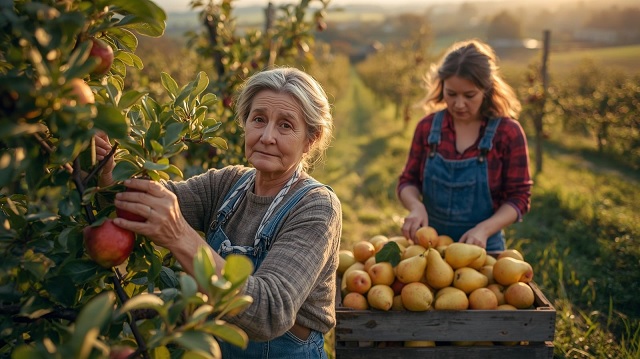
Fruit Picking Jobs in Norway for Africans 2026
Fruit picking jobs in Norway have become an increasingly relevant opportunity for African immigrants seeking lawful, short-term employment in Europe. These roles fall under Norway’s regulated seasonal agricultural employment system, which allows foreign workers to fill labor shortages during peak harvest periods. In 2026, Norway continues to experience a persistent shortage of local agricultural labor, driven by demographic changes, urban migration, and the physically demanding nature of farm work. As a result, employers increasingly rely on foreign seasonal workers, including Africans, to sustain agricultural productivity.
For African immigrants, fruit picking jobs represent more than temporary labor. They offer legal access to Europe, exposure to high labor standards, predictable income, and the opportunity to build an international employment history. However, these benefits are only achievable when applicants fully understand the requirements, limitations, and realities of agricultural work in Norway. This article provides a comprehensive, factual, and professionally structured guide to help Africans make informed decisions regarding fruit picking jobs in Norway in 2026.
Overview of Norway’s Agricultural Labor System
Norway operates one of the most regulated agricultural labor systems in Europe. Seasonal work is not informal or casual; it is governed by strict immigration, labor, and tax laws. Foreign workers are admitted only under specific conditions, and both employers and employees are monitored for compliance.
Fruit picking jobs are classified as seasonal agricultural work, meaning they are temporary and tied directly to harvest cycles. Employment contracts typically last between two and six months, depending on the crop and region. Workers are expected to leave Norway immediately after the contract expires unless a new permit is granted.
This structure ensures fairness, worker protection, and wage stability, but it also means that Africans seeking fruit picking jobs must approach the process with seriousness and preparation.
Types of Fruit Picking Jobs Available in Norway
Fruit picking jobs in Norway vary widely depending on the type of fruit, farming method, and geographic location. Understanding these distinctions helps applicants choose suitable roles and manage expectations.
Open-Field Fruit Picking Jobs
These roles involve harvesting fruits grown outdoors and are the most physically demanding.
Common examples include:
-
Apple harvesting in orchards
-
Cherry and plum picking
-
Strawberry and raspberry harvesting
-
Blueberry and lingonberry collection
Workers spend long hours outdoors, often bending, lifting crates, and working in variable weather conditions.
Greenhouse and Controlled Environment Roles
Some fruits are grown in greenhouses, offering slightly less exposure to harsh weather.
Typical roles include:
-
Greenhouse strawberry picking
-
Tomato and soft fruit harvesting
-
Sorting and packaging harvested produce
While still physically demanding, greenhouse roles are generally considered less strenuous than open-field harvesting.
Geographical Regions with High Demand for Fruit Pickers
Fruit farming in Norway is concentrated in specific regions due to climate suitability and soil conditions.
High-Demand Agricultural Regions
-
Vestland County: Known for apple and berry farming
-
Rogaland County: Major hub for greenhouse agriculture
-
Viken County: Large-scale fruit and vegetable farms
-
Innlandet County: Seasonal berry and apple production
-
Trøndelag Region: Mixed crop farming with seasonal demand
Applicants who are flexible about location have higher chances of securing employment.
Fruit Picking Jobs in Norway for Africans 2026
Seasonal Calendar and Harvest Cycles
Fruit picking jobs are time-sensitive and closely aligned with harvest seasons.
Typical Harvest Periods
-
Strawberries: June to August
-
Raspberries and blueberries: July to September
-
Apples and pears: August to October
-
Greenhouse fruits: Variable, some year-round roles
Applications usually open several months before harvest. Africans who apply late often miss opportunities due to limited quotas.
Eligibility Requirements for Africans
Although fruit picking is classified as unskilled work, eligibility requirements are strictly enforced.
Basic Eligibility Criteria
-
Citizenship of an African country
-
Valid international passport
-
Physical fitness for manual labor
-
Willingness to work long hours
-
Clean criminal record
-
Ability to understand basic English instructions
Formal education and prior farming experience are not mandatory, but experience improves employer confidence.
Age and Physical Fitness Considerations
Most Norwegian employers prefer workers between 18 and 50 years old. However, age is secondary to physical capability. Applicants must be able to:
-
Stand for long periods
-
Bend and lift repeatedly
-
Work in cold or rainy conditions
Medical fitness certificates are often required.
Language Expectations
Norwegian language skills are not required for entry-level fruit picking jobs. However:
-
Basic English comprehension is essential
-
Workers must understand safety instructions
-
Ability to communicate simple needs improves workplace integration
Applicants without any English skills face higher rejection risks.
Expected Salary for Fruit Picking Jobs in Norway (2026)
Norway enforces wage protections even for seasonal agricultural workers.
Average Hourly Pay
-
Entry-level fruit pickers: USD 15 – 19 per hour
-
Experienced or high-output workers: USD 19 – 23 per hour
Some farms operate productivity-based pay systems, where faster pickers earn more.
Average Monthly Earnings
-
Gross monthly income: USD 2,300 – 3,800
-
Net income after tax: USD 1,600 – 2,600
Actual earnings depend on:
-
Hours worked
-
Overtime availability
-
Accommodation deductions
Working Hours and Daily Expectations
Fruit picking work is labor-intensive.
Typical schedules include:
-
6–10 hours per day
-
5–6 days per week
-
Extended hours during peak harvest
Weather conditions can influence daily work schedules.
Accommodation and Living Conditions
Many farms provide accommodation for seasonal workers.
Common Housing Arrangements
-
Shared rooms or cabins
-
Basic furnishings
-
Proximity to the farm
-
Subsidized rent
Accommodation costs are regulated and often deducted directly from wages.
Visa Type Required for Fruit Picking Jobs
Africans must apply for a Seasonal Agricultural Work Permit.
Key Characteristics of the Permit
-
Temporary and employer-specific
-
Valid for up to six months
-
No family reunification allowed
-
Renewable for future seasons
Working without this permit is illegal and punishable.
Overview of the Application Process
While details will be expanded in Part 2, the process includes:
-
Securing a legitimate job offer
-
Preparing required documents
-
Submitting a work permit application
-
Attending biometric verification
-
Receiving a decision and travel approval
Initial List of Required Documents
-
International passport
-
Signed employment contract
-
Work permit application form
-
Passport photographs
-
Medical fitness certificate
-
Police clearance certificate
-
Proof of accommodation
-
Proof of financial support
Incomplete documentation leads to rejection.
Worker Rights and Legal Protections
Norwegian law guarantees equal rights for foreign workers.
Rights Include
-
Written employment contracts
-
Minimum wage enforcement
-
Safe working conditions
-
Access to healthcare
-
Protection from exploitation
African workers are protected under the same labor laws as Norwegian citizens.
Challenges Commonly Faced by African Workers
-
Cold climate adaptation
-
Physical exhaustion
-
Cultural differences
-
Short employment duration
-
Limited social integration
Proper preparation reduces these challenges significantly.
Professional Advisory for Applicants
Fruit picking jobs should be approached as temporary economic opportunities, not migration shortcuts. Applicants who respect visa conditions, manage earnings responsibly, and comply with laws often benefit most.
Fruit Picking Jobs in Norway for Africans 2026
Detailed Step-by-Step Application Process for Fruit Picking Jobs in Norway (2026)
Fruit picking jobs in Norway are not obtained through informal arrangements. The process is structured, document-driven, and strictly monitored by immigration and labor authorities.
Step 1: Identification of Legitimate Farm Employers
The first step is identifying a registered Norwegian agricultural employer authorized to hire foreign seasonal workers. Employers must be legally registered and compliant with Norwegian labor laws.
African applicants should focus only on:
-
Commercial fruit farms
-
Greenhouse agricultural companies
-
Cooperatives engaged in fruit harvesting
Private individuals or unregistered entities are not allowed to sponsor work permits.
Step 2: Securing a Formal Job Offer
A valid job offer is mandatory. Verbal promises or informal agreements are not acceptable.
A compliant job offer must include:
-
Employer’s legal name and registration details
-
Job title and description
-
Start and end dates of employment
-
Working hours per week
-
Hourly or monthly wage
-
Accommodation details
-
Signature of employer
Without this document, a work permit application cannot proceed.
Step 3: Employer Labor Compliance Confirmation
Before issuing contracts to foreign workers, Norwegian employers must confirm that:
-
The wage offered meets national agricultural wage standards
-
The position cannot be filled locally
-
Housing meets safety and hygiene standards
This protects foreign workers from underpayment and exploitation.
Step 4: Submission of Seasonal Work Permit Application
The African applicant must submit an application for a Seasonal Agricultural Work Permit.
The application includes:
-
Completed application form
-
Signed employment contract
-
Valid passport
-
Proof of accommodation
-
Medical fitness certificate
-
Police clearance certificate
-
Proof of sufficient funds
Accuracy and consistency across documents are critical.
Step 5: Biometric Enrollment and Identity Verification
Applicants are required to:
-
Submit fingerprints
-
Provide facial biometrics
-
Attend identity verification
This step confirms authenticity and prevents identity fraud.
Step 6: Processing and Decision
Processing time typically ranges between 4 and 12 weeks depending on:
-
Application volume
-
Embassy capacity
-
Completeness of documents
Once approved, the applicant receives authorization to travel and work in Norway for the specified period.
Entry into Norway and Onboarding Process
Upon arrival in Norway, fruit picking workers must:
-
Register with local authorities (where required)
-
Meet their employer for onboarding
-
Receive workplace safety training
Failure to comply with entry procedures can invalidate the permit.
Expected Salary and Earnings Analysis (2026)
Norway maintains one of the highest wage standards in Europe, including for seasonal agricultural labor.
Official Pay Structure
Fruit picking wages are regulated and transparent.
Hourly Wage Range
-
Entry-level workers: USD 15 – 19 per hour
-
Experienced or high-output workers: USD 19 – 23 per hour
Monthly Income Estimates
Assuming full-time seasonal work:
-
Gross monthly income: USD 2,300 – 3,800
-
Net monthly income after tax: USD 1,600 – 2,600
Factors That Affect Earnings
-
Overtime availability
-
Productivity level
-
Accommodation deductions
-
Tax bracket
Cost of Living and Savings Potential
Although Norway has a high cost of living, seasonal farm workers can still save meaningfully.
Typical Monthly Expenses
-
Accommodation: USD 300 – 600
-
Food: USD 350 – 500
-
Transportation: USD 50 – 100
-
Miscellaneous: USD 100 – 200
Estimated Monthly Savings
-
With employer housing: USD 700 – 1,200
-
Without housing: USD 400 – 800
Workers who manage spending carefully often return home with substantial savings.
Renewal and Repeat Seasonal Employment
Norway allows foreign workers to return for multiple seasons.
Conditions for Repeat Employment
-
Compliance with previous permit
-
No overstaying or violations
-
New or renewed job offer
Repeat applicants often experience faster processing due to established records.
Fruit Picking Jobs in Norway for Africans 2026
Long-Term Opportunities and Limitations
Fruit picking jobs are temporary and do not automatically lead to permanent residence.
However, they can:
-
Improve visa credibility
-
Provide European work experience
-
Open doors to other seasonal sectors
Transitioning to skilled work requires separate qualifications and permits.
Common Mistakes Africans Must Avoid
-
Paying agents for fake job offers
-
Entering Norway on tourist visas to work
-
Accepting undocumented employment
-
Overstaying seasonal permits
-
Ignoring contract terms
Norwegian authorities enforce penalties strictly.
Frequently Asked Questions (FAQs)
Can Africans apply without prior farm experience?
Yes. Most fruit picking jobs are unskilled and provide on-the-job training.
Is English mandatory for fruit picking jobs?
Basic English is required to understand instructions and safety rules.
Can I change employers while on a seasonal permit?
Only with approval and a new permit. Unauthorized changes are illegal.
Can I bring my family to Norway on a fruit picking visa?
No. Seasonal permits do not allow family reunification.
What happens if the harvest ends early?
Employment ends with the contract. Workers must leave Norway unless a new permit is issued.
Five Realistic Testimonies from African Fruit Pickers in Norway
Testimony 1: Michael O., Nigeria
“I worked on an apple farm for four months. The work was tiring, but the pay was fair. I saved more money than expected and plan to return next season.”
Testimony 2: Amina S., Kenya
“This was my first time working abroad. The weather was cold, but the system was organized. My employer respected the contract fully.”
Testimony 3: Joseph K., Uganda
“I picked strawberries for six weeks. The work was fast-paced, but overtime helped my income. I returned home legally and plan to apply again.”
Testimony 4: Fatou B., Senegal
“The greenhouse job was less stressful than open-field work. Housing was shared but affordable. I felt protected by the law.”
Testimony 5: Peter M., Ghana
“I followed all rules and left Norway on time. Because of that, my second application was approved quickly.”
Professional Guidance for 2026 Applicants
Fruit picking jobs in Norway should be viewed as legal, temporary income opportunities, not migration shortcuts. Success depends on:
-
Preparation
-
Compliance with immigration rules
-
Physical readiness
-
Financial discipline
Applicants who respect these principles benefit the most.
Final Conclusion
Fruit picking jobs in Norway for Africans in 2026 remain a viable, lawful pathway to short-term employment in Europe. While physically demanding and temporary, they offer:
-
Competitive earnings
-
Strong worker protections
-
International work exposure
Africans who approach the process professionally and legally can achieve meaningful financial and personal benefits.