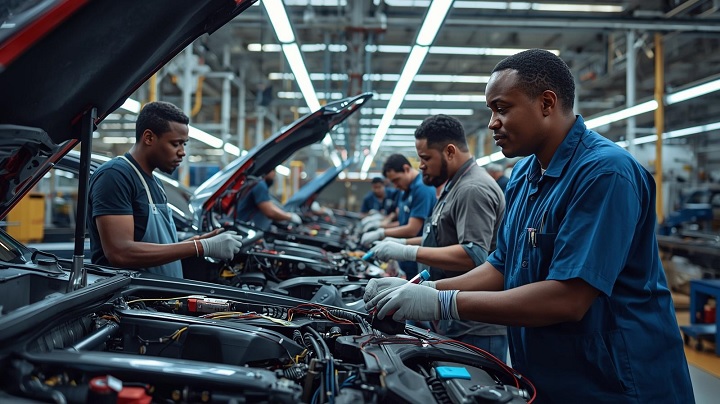
Factory Jobs in Uyo 2026/2027
Factory jobs in Uyo have become increasingly important as industrial activities continue to expand across Akwa Ibom State. With growing investments in manufacturing, food processing, construction materials, and small-scale production industries, factory employment is now a viable income source for many Nigerians.
For job seekers, especially those without advanced academic qualifications, factory jobs offer accessible employment opportunities with steady income potential. For skilled workers, they provide career pathways in technical, supervisory, and operational roles.
This comprehensive guide explores everything you need to know about factory jobs in Uyo in 2026/2027, including types of jobs available, requirements, salary expectations, application steps, opportunities, challenges, and expert guidance.
Overview of Industrial and Factory Activities in Uyo
Growth of Industrialization in Uyo
Uyo is gradually developing into a commercial and industrial hub. While it is not yet as industrialized as major cities like Lagos or Port Harcourt, there is steady growth in:
- Food processing factories
- Sachet water production plants
- Block and construction material factories
- Packaging and distribution centers
These industries create employment opportunities for both skilled and unskilled workers.
Types of Factories in Uyo
Factories in Uyo fall into several categories.
Food Processing Factories
- Rice mills
- Palm oil processing plants
- Bakery production units
Manufacturing Factories
- Plastic production
- Furniture workshops
- Metal fabrication
Construction Material Factories
- Block molding industries
- Cement-related production units
Beverage and Water Production
- Sachet water factories
- Bottled drink production
Types of Factory Jobs Available in Uyo
Factory jobs are categorized based on skill level and job function.
Unskilled Factory Jobs
These jobs require little or no formal education.
Common Roles
- Factory helpers
- Loaders and offloaders
- Cleaners
- Packaging staff
Responsibilities
- Assisting machine operators
- Moving materials
- Packing finished goods
Salary Range
- ₦30,000 – ₦70,000 monthly
Semi-Skilled Factory Jobs
These roles require basic training or experience.
Examples
- Machine assistants
- Quality control assistants
- Storekeepers
Requirements
- Basic technical knowledge
- Ability to follow instructions
Salary Range
- ₦60,000 – ₦120,000 monthly
Skilled Factory Jobs
These roles require technical expertise.
Examples
- Machine operators
- Electricians
- Welders
- Maintenance technicians
Requirements
- Technical training or certification
- Work experience
Salary Range
- ₦100,000 – ₦250,000 monthly
Administrative and Supervisory Roles
Factories also employ administrative staff.
Examples
- Supervisors
- Account officers
- HR personnel
Salary Range
- ₦120,000 – ₦300,000+ monthly
Requirements for Factory Jobs in Uyo
Basic Requirements
Most factory jobs in Uyo require:
- Minimum educational qualification (FSLC, SSCE, or OND)
- Valid identification
- Physical fitness
- Willingness to work
Additional Requirements for Skilled Roles
- Technical certificates
- Work experience
- Specialized training
Step-by-Step Guide to Applying for Factory Jobs in Uyo
Step 1: Identify Available Opportunities
Check:
- Factory premises
- Job boards
- Local announcements
Step 2: Prepare Your Documents
Required documents may include:
- CV or simple application letter
- Passport photograph
- Identification
Step 3: Submit Application
Applications can be submitted:
- Physically at factory locations
- Through referrals
- Online (for larger companies)
Step 4: Attend Interview or Screening
Employers may conduct:
- Basic interviews
- Practical tests
Step 5: Receive Job Offer
Successful candidates are offered employment.
Salary Structure and Payment System
Daily Wage System
Some factories pay workers daily.
Weekly Payment System
Common among small factories.
Monthly Salary System
Used by larger factories.
Benefits of Factory Jobs in Uyo
Employment Opportunities
Factory jobs provide income for many residents of Uyo.
Skill Development
Workers gain practical skills that can lead to career growth.
Entry-Level Accessibility
Many roles require minimal qualifications.
Challenges of Factory Jobs
Physical Demands
Factory work can be physically demanding.
Long Working Hours
Some factories operate extended shifts.
Job Security Issues
Informal employment may lack job security.
Safety Measures in Factory Jobs
Workers must follow safety protocols.
Factory Jobs in Uyo 2026/2027
Common Safety Practices
- Wearing protective gear
- Following operational guidelines
- Reporting hazards
Opportunities for Career Growth
Factory jobs can lead to higher positions.
Career Progression Path
- Helper → Operator → Supervisor → Manager
Long-Term Career Growth in Factory Jobs in Uyo 2026/2027
Factory jobs in Uyo are often seen as entry-level opportunities, but they can evolve into long-term careers when approached strategically. Many successful supervisors, plant managers, and even factory owners began as junior workers.
Career growth in factory environments depends on skill acquisition, discipline, and consistency.
Typical Career Progression Path
A structured career path in factory settings often follows this pattern:
- Helper / Assistant
- Machine Operator
- Senior Operator
- Supervisor
- Production Manager
Each level comes with increased responsibility and higher earnings.
Moving from Entry-Level to Skilled Roles
Workers who start in unskilled roles can transition into skilled positions by learning on the job.
Practical Steps
- Observe machine operations closely
- Ask questions and learn from experienced workers
- Volunteer for additional responsibilities
- Learn basic maintenance and troubleshooting
Expected Timeline
- 3–6 months: Basic understanding of operations
- 6–12 months: Transition to semi-skilled roles
- 1–2 years: Skilled role opportunities
How to Become a Supervisor in a Factory
Supervisory roles are among the most sought-after positions in factories across Akwa Ibom State.
Key Requirements
To qualify for supervisory roles, workers must demonstrate:
- Strong work ethic
- Leadership ability
- Technical knowledge
- Reliability and punctuality
Responsibilities of a Supervisor
- Managing workers
- Monitoring production output
- Ensuring quality control
- Enforcing safety standards
Salary Expectations
Supervisors in Uyo typically earn:
- ₦120,000 – ₦250,000 monthly
Depending on factory size and experience.
Salary Growth Strategies for Factory Workers
Increasing income in factory jobs requires intentional effort.
Improve Your Skill Level
Skilled workers earn significantly more than unskilled workers.
Examples:
- Machine operators earn more than helpers
- Technicians earn more than operators
Take on Additional Responsibilities
Workers who handle multiple roles are often considered for promotions.
Seek Better Opportunities
After gaining experience, workers can move to better-paying factories within Uyo or nearby cities.
Factory Jobs in Uyo 2026/2027
Negotiate Salary Based on Experience
Experienced workers should confidently negotiate better pay.
Starting Your Own Factory Business in Uyo
One of the biggest advantages of factory work is the opportunity to eventually start your own business.
Profitable Small Factory Businesses
Sachet Water Production
- Startup cost: ₦500,000 – ₦2,000,000
- High demand in urban and rural areas
Block Industry
- Startup cost: ₦300,000 – ₦1,500,000
- Driven by construction activities
Food Processing Business
- Garri processing
- Palm oil production
- Bakery
Startup costs vary based on scale.
Steps to Start a Factory Business
Step 1: Choose a Business Type
Select a business based on:
- Demand
- Capital
- Skills
Step 2: Acquire Equipment
Purchase necessary machines and tools.
Step 3: Secure a Location
Choose a location accessible to customers and suppliers.
Step 4: Register Your Business
Register with appropriate authorities in Nigeria.
Step 5: Start Production
Begin operations and gradually scale up.
Challenges of Running a Factory Business
High Startup Costs
Equipment and setup costs can be significant.
Power Supply Issues
Electricity challenges may require alternative power sources.
Competition
Existing businesses may dominate certain markets.
Financial Planning for Factory Workers
Proper financial management helps workers achieve long-term success.
Saving Strategy
Workers should aim to save:
- At least 20% of income monthly
Investment Options
Workers can invest in:
- Small businesses
- Agriculture
- Skill acquisition
Avoiding Financial Mistakes
- Do not spend all earnings
- Avoid unnecessary debt
- Plan for emergencies
Expert Tips for Success in Factory Jobs
Be Consistent
Consistency builds trust and increases promotion chances.
Learn Continuously
Workers should always seek to improve their skills.
Build Relationships
Good relationships with colleagues and supervisors can open opportunities.
Stay Disciplined
Punctuality and reliability are highly valued.
Opportunities for Youths and Job Seekers
Factory jobs provide opportunities for:
- School leavers
- Job seekers without experience
- Individuals seeking stable income
These roles can serve as stepping stones to better opportunities.
Future Outlook of Factory Jobs in Uyo
The industrial sector in Uyo is expected to grow steadily.
Expected Developments
- Increase in small-scale manufacturing
- Growth in food processing industries
- Expansion of construction-related factories
Impact on Employment
More factories will lead to:
- Increased job opportunities
- Higher demand for skilled workers
- Improved income potential
Key Factories and Industrial Areas Hiring in Uyo 2026/2027
Understanding where to find factory jobs is one of the most important steps for job seekers in Uyo. While many factories do not always advertise jobs online, they frequently recruit locally through walk-in applications, referrals, and community networks.
Major Industrial Locations in Uyo
Factory activities in Uyo are concentrated in specific areas.
Industrial Layouts and Business Clusters
- Itam Industrial Area – Known for block industries, fabrication workshops, and small manufacturing units
- Ikot Ekpene Road Axis – Hosts food processing businesses, water factories, and packaging centers
- Abak Road Axis – Home to small-scale production and distribution facilities
- Ewet Housing/Oron Road Axis – Emerging commercial and light industrial activities
These locations are ideal for physical job searches.
Types of Factories Actively Hiring
Sachet Water and Beverage Factories
These are among the most common employers in Uyo.
Job Roles Available
- Machine operators
- Packaging staff
- Quality control assistants
- Loaders
Hiring Pattern
- Frequent hiring due to high demand
- Often accept walk-in applications
Food Processing Factories
Food production businesses are expanding rapidly.
Examples of Operations
- Garri processing
- Palm oil mills
- Bakery production
Job Opportunities
- Production assistants
- Machine handlers
- Cleaners
Block and Construction Material Factories
With ongoing construction projects in Akwa Ibom State, block industries are major employers.
Roles
- Block molders
- Machine operators
- Labourers
Earnings Structure
- Daily or weekly wages
- ₦2,000 – ₦5,000 per day depending on workload
Plastic and Packaging Factories
These factories produce containers, nylon, and packaging materials.
Roles Available
- Machine technicians
- Packaging staff
- Maintenance workers
How to Secure Factory Jobs Faster in Uyo
Getting a factory job requires strategy and persistence.
Use Walk-In Applications
Many factories prefer physical applications.
Best Approach
- Visit factories early in the morning
- Dress neatly
- Carry copies of your documents
Leverage Referrals and Networking
Connections play a major role in job opportunities.
Sources of Referrals
- Friends already working in factories
- Community members
- Local business owners
Be Flexible with Job Roles
Applicants who are open to different roles have higher chances of employment.
Apply to Multiple Locations
Do not rely on a single application.
Apply to several factories across Uyo.
Common Mistakes Job Seekers Must Avoid
Waiting for Online Job Listings
Most factory jobs are not advertised online.
Poor Presentation
Appearance and attitude matter during walk-in applications.
Lack of Prepared Documents
Always have:
- CV or application letter
- Passport photographs
- Identification
Rejecting Entry-Level Roles
Starting small can lead to better opportunities later.
Real-Life Job Scenarios in Uyo
Scenario 1: First-Time Job Seeker
A young job seeker in Uyo applies to a sachet water factory.
Outcome
- Starts as a packaging assistant
- Earns ₦35,000 monthly
- Gains experience and moves to machine operation
Scenario 2: Skilled Worker
A trained electrician secures a job in a plastic factory.
Outcome
- Earns ₦120,000 monthly
- Handles machine maintenance
- Receives additional allowances
Scenario 3: Daily Wage Labourer
An individual works in a block factory.
Earnings
- ₦3,000 daily
- ₦75,000 monthly (depending on workdays)
Skills That Improve Your Chances of Getting Factory Jobs
Technical Skills
- Machine operation
- Electrical maintenance
- Welding
Soft Skills
- Discipline
- Teamwork
- Reliability
Physical Fitness
Many factory jobs require strength and endurance.
Workplace Expectations in Factory Jobs
Working Hours
- 8–12 hours daily
- Shift-based schedules in some factories
Work Environment
- Noisy machinery
- Heat and physical activity
- Fast-paced operations
Performance Evaluation
Workers are often assessed based on:
- Productivity
- Punctuality
- Work quality
Opportunities Beyond Employment
Factory jobs can lead to entrepreneurial opportunities.
Starting Your Own Small Factory
After gaining experience, workers can start:
- Sachet water business
- Block industry
- Food processing unit
Skill-Based Entrepreneurship
Skilled workers can offer services independently.
Examples:
- Welding
- Electrical repairs
- Machine servicing
Safety and Workers’ Rights
Safety Practices
Workers should:
- Use protective equipment
- Follow safety instructions
- Report hazards
Workers’ Rights
Employees are entitled to:
- Fair wages
- Safe working conditions
- Respectful treatment
Financial Management for Factory Workers
Budgeting Your Salary
Workers should allocate income to:
- Basic needs
- Savings
- Investments
Saving for Future Opportunities
Saving helps workers transition into better opportunities.
Long-Term Career Growth in Factory Jobs in Uyo 2026/2027
Factory jobs in Uyo are often seen as entry-level opportunities, but they can evolve into long-term careers when approached strategically. Many successful supervisors, plant managers, and even factory owners began as junior workers.
Career growth in factory environments depends on skill acquisition, discipline, and consistency.
Typical Career Progression Path
A structured career path in factory settings often follows this pattern:
- Helper / Assistant
- Machine Operator
- Senior Operator
- Supervisor
- Production Manager
Each level comes with increased responsibility and higher earnings.
Moving from Entry-Level to Skilled Roles
Workers who start in unskilled roles can transition into skilled positions by learning on the job.
Practical Steps
- Observe machine operations closely
- Ask questions and learn from experienced workers
- Volunteer for additional responsibilities
- Learn basic maintenance and troubleshooting
Expected Timeline
- 3–6 months: Basic understanding of operations
- 6–12 months: Transition to semi-skilled roles
- 1–2 years: Skilled role opportunities
How to Become a Supervisor in a Factory
Supervisory roles are among the most sought-after positions in factories across Akwa Ibom State.
Key Requirements
To qualify for supervisory roles, workers must demonstrate:
- Strong work ethic
- Leadership ability
- Technical knowledge
- Reliability and punctuality
Responsibilities of a Supervisor
- Managing workers
- Monitoring production output
- Ensuring quality control
- Enforcing safety standards
Salary Expectations
Supervisors in Uyo typically earn:
- ₦120,000 – ₦250,000 monthly
Depending on factory size and experience.
Salary Growth Strategies for Factory Workers
Increasing income in factory jobs requires intentional effort.
Improve Your Skill Level
Skilled workers earn significantly more than unskilled workers.
Examples:
- Machine operators earn more than helpers
- Technicians earn more than operators
Take on Additional Responsibilities
Workers who handle multiple roles are often considered for promotions.
Seek Better Opportunities
After gaining experience, workers can move to better-paying factories within Uyo or nearby cities.
Negotiate Salary Based on Experience
Experienced workers should confidently negotiate better pay.
Starting Your Own Factory Business in Uyo
One of the biggest advantages of factory work is the opportunity to eventually start your own business.
Profitable Small Factory Businesses
Sachet Water Production
- Startup cost: ₦500,000 – ₦2,000,000
- High demand in urban and rural areas
Block Industry
- Startup cost: ₦300,000 – ₦1,500,000
- Driven by construction activities
Food Processing Business
- Garri processing
- Palm oil production
- Bakery
Startup costs vary based on scale.
Steps to Start a Factory Business
Step 1: Choose a Business Type
Select a business based on:
- Demand
- Capital
- Skills
Step 2: Acquire Equipment
Purchase necessary machines and tools.
Step 3: Secure a Location
Choose a location accessible to customers and suppliers.
Step 4: Register Your Business
Register with appropriate authorities in Nigeria.
Step 5: Start Production
Begin operations and gradually scale up.
Challenges of Running a Factory Business
High Startup Costs
Equipment and setup costs can be significant.
Power Supply Issues
Electricity challenges may require alternative power sources.
Competition
Existing businesses may dominate certain markets.
Financial Planning for Factory Workers
Proper financial management helps workers achieve long-term success.
Saving Strategy
Workers should aim to save:
- At least 20% of income monthly
Investment Options
Workers can invest in:
- Small businesses
- Agriculture
- Skill acquisition
Avoiding Financial Mistakes
- Do not spend all earnings
- Avoid unnecessary debt
- Plan for emergencies
Expert Tips for Success in Factory Jobs
Be Consistent
Consistency builds trust and increases promotion chances.
Learn Continuously
Workers should always seek to improve their skills.
Build Relationships
Good relationships with colleagues and supervisors can open opportunities.
Stay Disciplined
Punctuality and reliability are highly valued.
.Opportunities for Youths and Job Seekers
Factory jobs provide opportunities for:
- School leavers
- Job seekers without experience
- Individuals seeking stable income
These roles can serve as stepping stones to better opportunities.
Future Outlook of Factory Jobs in Uyo
The industrial sector in Uyo is expected to grow steadily.
Expected Developments
- Increase in small-scale manufacturing
- Growth in food processing industries
- Expansion of construction-related factories
Impact on Employment
More factories will lead to:
- Increased job opportunities
- Higher demand for skilled workers
- Improved income potential
Final Conclusion
Factory jobs in Uyo offer practical and accessible employment opportunities for Nigerians in 2026/2027.
From entry-level roles to supervisory positions and business ownership, factory work provides multiple pathways for income generation and career growth.
Success in this field depends on:
- Willingness to learn
- Consistency and discipline
- Smart financial management
- Long-term planning
For job seekers and workers in Akwa Ibom State, factory jobs are more than just employment—they are opportunities to build skills, grow financially, and create a sustainable future.