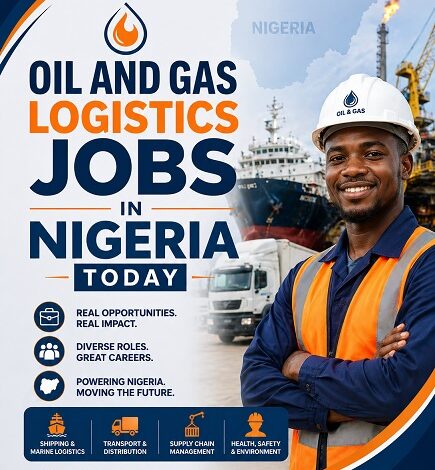
Oil and Gas Logistics Jobs in Nigeria Today
Introduction
Oil and gas logistics jobs in Nigeria today occupy a strategic position within the national economy. Nigeria remains one of Africa’s largest oil-producing nations, and despite fluctuations in global energy markets, petroleum operations continue to demand a robust and technically coordinated logistics framework. Exploration projects, offshore drilling campaigns, refinery operations, liquefied natural gas shipments, and nationwide petroleum distribution all depend on a highly structured supply chain system. Without logistics precision, production downtime increases, operational costs escalate, and safety risks multiply.
Oil and gas logistics is not simply about transporting goods. It is a technically specialized discipline involving procurement synchronization, marine coordination, hazardous cargo handling, regulatory compliance, digital inventory systems, offshore vessel scheduling, aviation crew logistics, and multi-location material tracking. In Nigeria, where upstream fields are located in challenging terrains and offshore environments, logistics professionals carry substantial operational responsibility.
This article provides a deep and structured examination of oil and gas logistics jobs in Nigeria today. It explores the industry structure, job classifications, qualification requirements, skills profile, work environment, employer landscape, compensation structure, and long-term career prospects.
The Structural Framework of Oil and Gas Logistics in Nigeria
Oil and gas logistics in Nigeria operates within three core industry segments: upstream, midstream, and downstream. Each segment requires distinct logistical coordination mechanisms.
Upstream Logistics: Exploration and Production Support
Upstream operations involve seismic surveys, drilling, well completion, and crude extraction. In Nigeria, major exploration activities occur offshore and in the Niger Delta region. These environments present logistical complexity due to:
- Remote field locations
- Security concerns
- Environmental regulations
- Weather-related marine constraints
- High-value drilling equipment
Upstream logistics professionals coordinate the movement of drilling mud, casing pipes, subsea equipment, fuel supplies, chemicals, and crew personnel. Offshore operations rely heavily on marine vessels and helicopter logistics systems. A single delay in material delivery can halt drilling operations and result in substantial financial loss.
Companies such as Shell Nigeria and Chevron Nigeria operate offshore and onshore assets that require intricate supply chain coordination. Logistics officers working within upstream operations must understand oilfield terminology, drilling schedules, rig operations, and hazardous material handling protocols.
Midstream Logistics: Transportation and Storage Management
Midstream logistics focuses on the movement of crude oil and natural gas from production sites to refineries or export terminals. This segment includes:
- Pipeline management
- Storage tank operations
- Marine export terminal coordination
- LNG shipment scheduling
Midstream logistics professionals manage pipeline integrity scheduling, coordinate crude lifting programs, oversee storage tank inventory accuracy, and ensure maritime compliance for export shipments. The expansion of LNG operations has increased demand for maritime logistics expertise, particularly in port operations and international shipping documentation.
The midstream segment requires familiarity with international trade regulations, marine insurance documentation, and vessel clearance processes.
Downstream Logistics: Refining and Distribution Systems
Downstream logistics supports refining operations and nationwide petroleum distribution. This includes the movement of petrol, diesel, aviation fuel, and cooking gas across depots and retail outlets. Indigenous companies such as Oando PLC and Seplat Energy operate within this value chain and depend on strong distribution logistics systems.
Downstream logistics roles focus on:
- Depot coordination
- Tanker fleet management
- Route optimization
- Inventory reconciliation
- Product loss monitoring
This segment is highly regulated and requires strict adherence to safety and environmental compliance standards.
Core Oil and Gas Logistics Job Categories in Nigeria
Oil and gas logistics roles are specialized and structured. They typically include the following categories:
Logistics Coordinator
The logistics coordinator ensures that materials and personnel move according to operational timelines. Duties include:
- Shipment scheduling
- Vendor communication
- Delivery confirmation tracking
- Documentation processing
- Inventory system updates
In oil and gas, logistics coordinators must possess a deep understanding of drilling cycles, maintenance schedules, and marine vessel availability.
Supply Chain Officer
Supply chain officers manage procurement cycles, inventory control, vendor relationships, and cost analysis. They work closely with procurement departments to ensure materials are ordered, tracked, and delivered without delay. This role requires competence in enterprise resource planning software and cost optimization strategies.
Marine Logistics Officer
Marine logistics officers coordinate offshore vessels that transport equipment and personnel to oil rigs. Responsibilities include:
- Vessel scheduling
- Port clearance documentation
- Cargo manifest preparation
- Offshore safety compliance
Given Nigeria’s offshore operations, marine logistics officers are in consistent demand.
Warehouse Supervisor
Oilfield warehouses store high-value drilling tools, chemicals, safety equipment, and spare parts. Warehouse supervisors are responsible for:
- Inventory accuracy
- Hazardous materials segregation
- Digital stock monitoring
- Safety compliance enforcement
Precision is essential, as missing equipment can halt production.
Materials Controller
Materials controllers ensure that spare parts, drilling components, and consumables are available at required operational sites. They track asset movement and ensure accountability. This role requires strong data management skills and technical familiarity with oilfield components.
Fleet Operations Manager
In downstream distribution, fleet managers supervise tanker trucks transporting refined products. Responsibilities include:
- Vehicle maintenance coordination
- Driver compliance management
- Route planning
- Delivery scheduling
This role combines logistics management with transportation safety enforcement.
Educational Qualifications for Oil and Gas Logistics Jobs
Educational requirements vary depending on role level. However, most oil and gas logistics positions require:
- Bachelor’s degree in Logistics, Supply Chain Management, Business Administration, Engineering, or Maritime Studies
- Higher National Diploma for operational roles
- Ordinary National Diploma for entry-level warehouse and logistics support roles
Advanced roles may require postgraduate qualifications in supply chain management or operations management.
Professional Certifications That Increase Employability
Oil and gas logistics is highly compliance-driven. Professional certifications enhance job competitiveness.
Valuable certifications include:
- Chartered Institute of Logistics and Transport (CILT)
- Health, Safety, and Environment (HSE) certification
- NEBOSH safety certification
- International Maritime Dangerous Goods (IMDG) certification
- Supply chain management professional certifications
Certifications demonstrate structured knowledge and regulatory awareness, which employers prioritize.
Core Competencies Required in Oil and Gas Logistics
Professionals must exhibit a combination of technical and behavioral competencies, including:
- Operational planning expertise
- Risk management capability
- Hazardous materials knowledge
- Strong documentation discipline
- Analytical problem-solving ability
- Emergency response coordination
- Communication skills
- Regulatory compliance knowledge
Given the financial implications of logistics delays in oil and gas, accuracy and accountability are critical traits.
Work Environment and Operational Demands
Oil and gas logistics professionals operate in varied and sometimes high-risk environments. These include:
- Offshore platforms
- Port terminals
- Warehouses
- Corporate head offices
- Oil depots
- Onshore flow stations
Work schedules may involve rotational offshore assignments, high-pressure deadlines, and strict compliance audits. Safety training is mandatory, and adherence to operational protocols is non-negotiable.
Compensation and Financial Outlook
Oil and gas logistics jobs in Nigeria offer competitive remuneration compared to standard logistics roles in other industries. Compensation depends on:
- Experience level
- Offshore exposure
- Certification status
- Employer category
- Operational risk level
Offshore assignments typically include additional allowances such as:
- Hazard allowance
- Offshore accommodation
- Insurance coverage
- Rotation bonuses
Senior logistics managers often earn executive-level compensation, reflecting the operational significance of their responsibilities.
Career Progression Pathway
A structured career progression in oil and gas logistics may follow this path:
- Logistics Assistant
- Logistics Officer
- Senior Logistics Coordinator
- Logistics Manager
- Supply Chain Director
With further training, professionals may transition into procurement leadership, operations management, or marine logistics executive roles.
Emerging Trends Shaping Oil and Gas Logistics Jobs in Nigeria
The industry is evolving due to:
- Digital supply chain platforms
- Real-time inventory tracking systems
- Increased local content compliance
- LNG export expansion
- Pipeline rehabilitation projects
Professionals who understand automation tools and digital tracking systems are increasingly favored in recruitment.
Offshore Logistics Operations in Nigeria
Offshore logistics remains the most technically demanding segment of oil and gas logistics in Nigeria. Offshore operations require uninterrupted material flow to drilling rigs and production platforms located several nautical miles from shore.
Companies such as Total Energies Nigeria and ExxonMobil Nigeria operate offshore assets that demand synchronized marine and aviation logistics.
Offshore logistics includes:
- Vessel scheduling and charter coordination
- Helicopter crew rotation logistics
- Offshore warehousing and manifest reconciliation
- Hazardous chemical transport supervision
- Emergency evacuation planning
- Weather-impact contingency routing
Vessel Coordination
Marine vessels transport drilling fluids, casing pipes, subsea equipment, fuel supplies, and food provisions. Logistics professionals must manage:
- Sailing schedules
- Port clearance approvals
- Cargo classification documentation
- International Maritime Organization compliance
Any miscalculation can lead to drilling suspension, costing operators millions of dollars per day.
Helicopter Logistics Coordination
Personnel movement to offshore rigs depends on aviation logistics systems. Logistics officers schedule:
- Crew rotation flights
- Passenger manifests
- Safety clearance checks
- Emergency standby arrangements
Offshore aviation coordination requires strict adherence to safety and weight distribution regulations.
Salary Structure of Oil and Gas Logistics Jobs in Nigeria
Compensation varies significantly based on employer type, offshore exposure, experience, and certification status.
Entry-Level Logistics Roles
- Logistics Assistant: Competitive monthly salary with operational allowances
- Warehouse Clerk: Entry-level wage with structured training benefits
- Materials Assistant: Slightly higher due to technical exposure
Mid-Level Roles
- Logistics Officer
- Marine Logistics Coordinator
- Materials Controller
Mid-level professionals often receive:
- Housing allowance
- Medical insurance
- Transport allowance
- Pension contributions
Senior-Level Positions
- Logistics Manager
- Supply Chain Manager
- Marine Operations Manager
- Head of Logistics
Senior executives may earn high six-figure annual packages depending on employer scale and offshore responsibility.
Recruitment Channels for Oil and Gas Logistics Jobs in Nigeria
Recruitment follows both structured and indirect pathways.
Direct Company Recruitment
Major oil companies publish openings on their official career portals. These roles often require:
- Technical competence
- Safety certification
- Relevant industry experience
Indigenous operators like NNPC Limited also conduct structured recruitment exercises for logistics and supply chain professionals.
Oilfield Service Companies
Logistics professionals may begin careers in service companies that support upstream operators.
Examples include:
- Schlumberger Nigeria
- Halliburton Nigeria
Service companies provide exposure to field operations, making them strong stepping stones.
Third-Party Logistics Firms
Specialized marine and petroleum logistics companies recruit frequently to support offshore and depot operations.
These firms focus on:
- Freight forwarding
- Vessel chartering
- Customs clearance
- Depot distribution
Experience gained here can transition into major operator roles.
Step-by-Step Strategy to Enter Oil and Gas Logistics in Nigeria
Step 1: Obtain Relevant Academic Qualification
A bachelor’s degree in logistics, maritime studies, engineering, or business administration strengthens eligibility.
Step 2: Acquire Safety Certifications
HSE certification is often mandatory. Offshore roles may require additional maritime safety training.
Step 3: Gain Foundational Experience
Entry into logistics may begin in:
- Freight forwarding companies
- Warehouse operations
- Maritime agencies
- Transport management firms
Step 4: Develop Technical Proficiency
Oil and gas logistics professionals must understand:
- ERP systems
- Inventory tracking software
- Marine documentation systems
- Regulatory compliance frameworks
Step 5: Network Strategically
Industry networking increases visibility. Participation in supply chain conferences and maritime forums enhances professional credibility.
Regulatory Environment Governing Oil and Gas Logistics
Oil and gas logistics operations in Nigeria operate under strict regulatory supervision.
Key regulatory considerations include:
- Petroleum Industry Act compliance
- Environmental protection guidelines
- Marine safety regulations
- Hazardous materials transport laws
- Nigerian Content Development compliance
Professionals must understand documentation accuracy requirements and audit procedures.
Digital Transformation in Oil and Gas Logistics
Technology is reshaping oil and gas logistics jobs in Nigeria.
Emerging tools include:
- Real-time inventory tracking systems
- Automated procurement platforms
- Satellite vessel monitoring
- Digital cargo documentation
- Blockchain-enabled shipment verification
Professionals who master digital supply chain platforms increase their career competitiveness.
Risk Management in Oil and Gas Logistics
Logistics professionals manage high-risk operational environments. Common risks include:
- Weather disruptions
- Piracy and maritime security concerns
- Equipment damage
- Regulatory non-compliance
- Hazardous material accidents
Risk mitigation strategies involve contingency planning, insurance documentation, and security coordination.
Challenges Facing Oil and Gas Logistics Professionals in Nigeria
- Infrastructure limitations
- Port congestion
- Security threats
- Currency volatility affecting import procurement
- Regulatory complexity
Professionals must demonstrate adaptability and resilience.
Long-Term Career Sustainability
Despite global energy transition discussions, oil and gas logistics remains viable in Nigeria due to:
- Ongoing offshore developments
- LNG expansion projects
- Refinery rehabilitation programs
- Increased local refining capacity
Logistics professionals can also transition into renewable energy logistics as the sector evolves.
Soft Skills Required for Long-Term Success
Beyond technical knowledge, professionals must cultivate:
- Leadership capacity
- Crisis communication skills
- Ethical integrity
- Cross-functional collaboration ability
- Negotiation expertise
Oil and gas logistics often involves multi-department coordination and vendor negotiations.
Career Diversification Opportunities
Oil and gas logistics experience enables transitions into:
- Procurement management
- Marine operations leadership
- Supply chain consultancy
- Energy project management
- International maritime logistics
Such diversification expands earning potential and job security.
Conclusion
Oil and gas logistics jobs in Nigeria today remain among the most strategically important and financially rewarding roles within the national economy. These careers demand technical discipline, safety compliance, digital competence, and operational resilience. Professionals who invest in certification, experience acquisition, and continuous learning position themselves competitively within both indigenous and multinational oil operations.
The sector offers structured progression, competitive compensation, and international exposure opportunities. While operational risks and regulatory complexity present challenges, skilled logistics professionals remain indispensable to sustaining Nigeria’s oil and gas productivity.