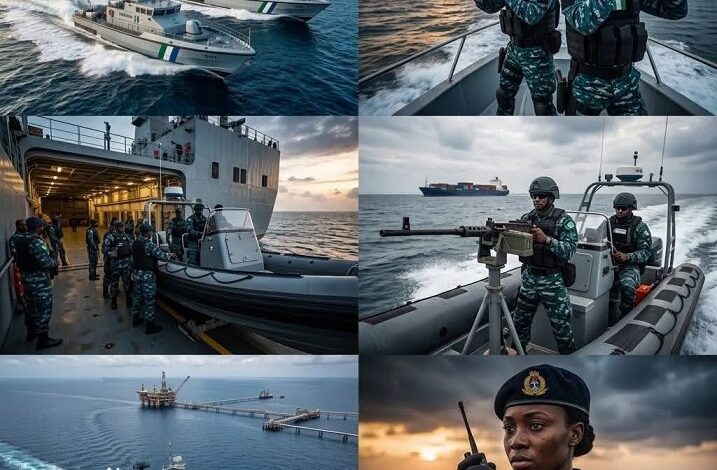
Nigeria Navy Recruitment 2026
The Nigeria Navy remains one of the most respected branches of the Nigerian Armed Forces. Every year, thousands of young Nigerians apply for the opportunity to serve their country through the naval force. The Nigeria Navy Recruitment 2026 is expected to attract an even larger number of applicants because many young people are actively searching for stable employment, professional training, and long-term career security.
For many Nigerians, joining the Nigeria Navy is more than just getting a job. It represents a path to national service, financial stability, international exposure, and long-term professional development. The recruitment exercise gives qualified citizens the chance to become part of a disciplined and highly structured organization responsible for protecting Nigeria’s territorial waters, maritime resources, and national security interests.
This comprehensive guide explains everything applicants need to know about the Nigeria Navy Recruitment 2026. It explores the recruitment process, eligibility criteria, requirements, application procedures, benefits of joining the Navy, expected salaries, required documents, preparation strategies, mistakes applicants must avoid, and professional advice that can improve the chances of success.
Understanding the recruitment process early gives applicants a major advantage because many candidates fail simply due to lack of preparation or incorrect information. To apply visit: https://www.joinnigeriannavy.navy.mil.ng/
Overview of the Nigeria Navy
The Nigeria Navy is one of the three main branches of the Nigerian Armed Forces, alongside the Army and Air Force. Its primary responsibility is to secure Nigeria’s maritime borders, protect offshore economic resources, and maintain safety within the country’s territorial waters.
Nigeria has one of the largest coastlines in West Africa, and the Navy plays a critical role in preventing illegal activities such as piracy, oil theft, smuggling, and maritime terrorism. The Navy also participates in peacekeeping operations, disaster response, humanitarian missions, and international maritime cooperation.
Because of the increasing importance of maritime security in the Gulf of Guinea region, the Nigerian government continues to strengthen the capacity of the Nigeria Navy by recruiting new personnel, investing in modern equipment, and expanding naval training institutions.
This means recruitment opportunities are expected to continue growing, making the Nigeria Navy Recruitment 2026 an important opportunity for qualified Nigerians.
Why Many Nigerians Are Interested in Nigeria Navy Recruitment 2026
Thousands of Nigerian youths apply for Navy recruitment every year for several reasons.
Job Security
Government military jobs in Nigeria offer one of the most stable career paths. Once accepted into the Nigeria Navy, personnel enjoy long-term employment with structured promotions and retirement benefits.
Competitive Salary
The Navy provides monthly salaries, allowances, and various financial benefits that make it attractive to young graduates and secondary school certificate holders.
Professional Training
Recruits receive professional military training that develops discipline, leadership skills, technical expertise, and operational competence.
Educational Opportunities
Many naval personnel are sponsored for further education in Nigerian universities and international military academies.
Housing and Welfare
Naval personnel often receive accommodation, healthcare, and family support benefits.
Opportunity to Serve the Nation
For patriotic Nigerians, serving in the Navy is a prestigious way to contribute to national development and security.
Categories of Nigeria Navy Recruitment
Nigeria Navy recruitment is usually conducted under different categories depending on the educational qualification and role.
Non-Graduate Recruitment
This category is mainly for individuals who possess basic educational qualifications such as:
-
Senior Secondary School Certificate
-
National Examination Council certificate
-
Equivalent secondary school qualifications
Applicants in this category usually join as junior naval ratings.
Graduate Recruitment
Graduates from universities and polytechnics may apply for officer positions depending on their field of study and professional qualifications.
Officer recruitment typically requires higher academic credentials and additional training.
Technical Recruitment
Technical professionals are often recruited in specialized fields such as:
-
Marine engineering
-
Electrical engineering
-
Information technology
-
Medical services
-
Naval architecture
-
Communications technology
Technical recruits are essential for maintaining modern naval systems and equipment.
Eligibility Criteria for Nigeria Navy Recruitment 2026
Applicants must meet specific eligibility requirements before applying.
Nationality
Applicants must be Nigerian citizens by birth.
Age Requirement
Age requirements usually depend on the recruitment category. However, the typical range is:
-
18 to 22 years for secondary school certificate holders
-
18 to 26 years for higher qualification holders
Applicants must ensure their age falls within the approved recruitment limits.
Educational Qualifications
Applicants must possess at least one of the following:
-
Senior Secondary School Certificate
-
National Examination Council certificate
-
General Certificate of Education
-
National Diploma
-
Higher National Diploma
-
Bachelor’s Degree
For secondary school qualifications, applicants must usually have a minimum of five credits including English and Mathematics.
Physical Fitness
The Nigeria Navy requires applicants to be physically fit because naval duties involve physical endurance and operational readiness.
Candidates may undergo medical examinations and physical fitness tests.
Height Requirement
Applicants must meet minimum height requirements, which generally include:
-
Male applicants: minimum height requirement
-
Female applicants: slightly lower height requirement
Physical measurements are usually verified during the screening process.
Criminal Record
Applicants must have a clean criminal record. Individuals with criminal convictions or serious legal issues are not eligible.
Marital Status
Most entry-level recruitment categories require applicants to be single at the time of application.
Documents Required for Nigeria Navy Recruitment 2026
Applicants must prepare several documents before starting the application process.
Commonly required documents include:
-
Birth certificate
-
National identification card or national identity number
-
Educational certificates
-
Local government identification certificate
-
Passport photographs
-
Medical fitness certificate (if required)
Applicants must ensure all documents are authentic and accurate.
Providing false information can lead to disqualification.
Step-by-Step Application Process
The Nigeria Navy recruitment process usually follows several stages.
Online Registration
Applicants are required to complete the online application form during the recruitment period.
During this stage, candidates provide:
-
Personal information
-
Educational background
-
Identification details
-
Contact information
Accuracy is extremely important.
Document Upload
Applicants upload scanned copies of required documents during registration.
Application Review
After submission, the Navy recruitment team reviews applications to confirm eligibility.
Shortlisting of Candidates
Successful applicants are shortlisted and invited for screening exercises.
Physical Screening
Shortlisted candidates undergo physical verification and medical tests.
Aptitude Test
Applicants may be required to take written examinations to test their knowledge and reasoning abilities.
Training Selection
Successful candidates are admitted into naval training programs.
Detailed Screening Stages in Nigeria Navy Recruitment 2026
After submitting the application form and passing the initial review stage, shortlisted applicants proceed to several screening phases. These screening stages are designed to ensure that only qualified, disciplined, and physically capable candidates are admitted into the Nigeria Navy training program.
Each stage evaluates a specific aspect of a candidate’s suitability for naval service. Many applicants fail during screening because they do not understand what each stage involves or how to prepare properly.
Understanding these stages in advance significantly improves a candidate’s chances of progressing successfully through the recruitment process.
Document Verification Stage
The first stage during the physical screening exercise is document verification.
During this process, recruitment officers carefully examine the documents submitted during the application phase. Applicants must present the original copies of all uploaded documents for verification.
Typical documents reviewed during this stage include:
-
Birth certificate or declaration of age
-
National identity card or national identity number slip
-
Senior Secondary School Certificate or equivalent
-
Higher education certificates where applicable
-
Local government certificate of origin
-
Passport photographs
-
Attestation forms signed by recognized community leaders
Recruitment officials check for authenticity, accuracy, and consistency. Any mismatch in names, dates, or educational qualifications can lead to immediate disqualification.
Applicants must ensure that all documents carry identical personal details before attending the screening.
Medical Examination Stage
Medical fitness is extremely important for military service. The Nigeria Navy conducts comprehensive medical examinations to confirm that applicants are physically and mentally fit for naval duties.
Medical tests typically evaluate:
-
Vision and eye health
-
Hearing ability
-
Blood pressure levels
-
Respiratory health
-
Musculoskeletal strength
-
Body structure and posture
-
Absence of chronic diseases
Candidates with serious medical conditions may not be eligible for naval service.
The Navy requires recruits to maintain high levels of physical endurance because naval operations often involve physically demanding activities such as sea patrols, rescue missions, and long hours on duty.
Physical Fitness Assessment
The physical fitness test is one of the most challenging parts of the recruitment process. It measures a candidate’s endurance, strength, and physical readiness.
Typical exercises during the physical fitness assessment include:
-
Long distance running
-
Push-ups
-
Sit-ups
-
Balance tests
-
Coordination exercises
Candidates who regularly engage in physical exercise before the recruitment exercise usually perform better.
Fitness preparation should ideally begin several months before the recruitment period.
Aptitude Examination
The aptitude test evaluates candidates’ intellectual capabilities, problem-solving skills, and general knowledge.
Subjects that may appear in the aptitude examination include:
-
English language comprehension
-
Basic mathematics
-
Logical reasoning
-
General knowledge about Nigeria
-
Basic military awareness
Candidates with strong reading habits and problem-solving skills often perform well during this stage.
How to Prepare for the Nigeria Navy Aptitude Test
Preparation for the aptitude test should begin well before the screening exercise.
Improve English Language Skills
English comprehension is often a major component of military aptitude tests. Candidates should practice reading comprehension passages and grammar exercises.
Practice Basic Mathematics
Basic arithmetic, percentages, ratios, and number reasoning questions are commonly included.
Regular practice helps improve speed and accuracy.
Study Nigerian History and Current Affairs
Knowledge of Nigeria’s geography, national history, and security structure can be beneficial.
Develop Logical Thinking Skills
Practicing reasoning questions improves a candidate’s ability to solve unfamiliar problems quickly.
Nigeria Navy Training Institutions
Successful candidates admitted into the Nigeria Navy undergo training at specialized naval institutions. These institutions are designed to build discipline, leadership skills, and technical expertise.
Nigerian Navy Basic Training School
This institution is responsible for the initial military training of new recruits. Training focuses on:
-
Military discipline
-
Physical fitness development
-
Naval combat basics
-
Weapon handling
-
Maritime safety procedures
Nigerian Navy Engineering College
Technical recruits often receive additional training at engineering institutions where they learn:
-
Marine engine maintenance
-
Electrical systems
-
Ship mechanical operations
Naval Officer Training Programs
Officer candidates undergo leadership training that prepares them for command responsibilities.
Training programs emphasize decision-making, strategic thinking, and operational management.
Career Progression in the Nigeria Navy
A career in the Nigeria Navy offers clear promotion pathways.
Personnel who demonstrate dedication, discipline, and professional competence can rise through various ranks during their service years.
Entry-Level Positions
Most recruits begin as junior naval ratings after completing training.
These entry-level positions allow recruits to gain operational experience and develop professional skills.
Mid-Level Ranks
With experience and good performance, personnel can be promoted to supervisory roles where they lead teams and manage operational tasks.
Senior Ranks
Senior naval officers oversee complex operations, strategic planning, and command responsibilities.
Promotions depend on:
-
Years of service
-
Professional training
-
Performance evaluations
-
Leadership ability
Estimated Salary Breakdown by Rank
Although exact figures may vary depending on government adjustments, the Nigeria Navy salary structure generally follows a rank-based system.
Entry-Level Naval Ratings
New recruits receive modest monthly salaries along with allowances.
Allowances may include:
-
Housing support
-
Uniform allowance
-
Medical care
-
Transportation allowance
Mid-Level Officers
Personnel promoted to supervisory roles receive higher salaries and expanded benefits.
They may also gain access to leadership training programs and specialized technical education.
Senior Officers
Senior naval officers earn significantly higher salaries due to their strategic responsibilities and years of service.
Additional benefits may include:
-
Staff accommodation
-
Official vehicles for certain roles
-
International training opportunities
Housing and Welfare Benefits
One of the advantages of naval service is access to structured welfare support systems.
Naval personnel often live in designated military housing communities where security and essential services are provided.
Family members may also benefit from:
-
Medical facilities
-
Educational support programs
-
Recreational centers within military communities
These welfare benefits contribute to the overall attractiveness of naval careers.
Opportunities for Further Education
The Nigeria Navy encourages continuous learning among its personnel.
Many naval officers and ratings are sponsored for further education in areas such as:
-
Marine engineering
-
Naval architecture
-
Computer science
-
Security studies
-
Strategic defense management
Education sponsorship programs help personnel improve their professional competence and expand their career opportunities.
Some officers are even sent to international military academies for specialized training.
Skills Developed Through Naval Service
Serving in the Nigeria Navy helps individuals develop valuable professional skills.
These include:
Leadership Skills
Personnel learn how to lead teams and manage responsibilities under pressure.
Technical Skills
Technical recruits gain expertise in engineering systems, communication technologies, and maritime operations.
Crisis Management
Naval operations often require quick decision-making during emergency situations.
Discipline and Professionalism
Military training emphasizes strict discipline and professional conduct.
These skills remain valuable even after retirement from military service.
Transition Opportunities After Naval Service
Many naval personnel build successful careers after completing their service years.
Common post-service career paths include:
-
Maritime security consulting
-
Shipping and logistics management
-
Government security agencies
-
Engineering and technical services
-
Private maritime companies
The experience gained during naval service is highly respected in many industries.
Common Scenarios During Recruitment Preparation
Understanding common scenarios faced by applicants can help candidates prepare better.
Scenario One: Last-Minute Document Problems
Many candidates arrive at screening centers only to discover errors in their documents.
This situation often results in disqualification.
Preparing documents early prevents such problems.
Scenario Two: Poor Physical Conditioning
Applicants who begin fitness training only a few weeks before screening usually struggle with endurance tests.
Early preparation improves performance significantly.
Scenario Three: Lack of Knowledge About the Recruitment Process
Some candidates apply without understanding the screening stages.
This lack of preparation reduces their chances of success.
Studying recruitment procedures in advance provides a competitive advantage.
Additional Expert Tips for Applicants
Several professional strategies can help candidates succeed.
Maintain Consistency in Personal Records
Ensure that names and dates match across all official documents.
Practice Daily Physical Exercise
Running, push-ups, and strength training improve fitness levels.
Stay Informed About Recruitment Announcements
Monitoring reliable information sources helps applicants avoid missing important updates.
Avoid Recruitment Fraud
Applicants should never pay individuals who promise recruitment assistance.
Official recruitment exercises are transparent and merit-based.
Physical Fitness Expectations for Applicants
Naval training is physically demanding. Applicants must be prepared for endurance activities such as:
-
Running
-
Push-ups
-
Sit-ups
-
Obstacle courses
-
Swimming in some cases
Candidates who prepare early have better chances of succeeding during screening.
Nigeria Navy Training Process
Successful recruits undergo intensive training at designated naval training schools.
Training programs focus on:
-
Military discipline
-
Naval warfare strategies
-
Maritime navigation
-
Weapon handling
-
Leadership development
-
Physical conditioning
Training duration varies depending on the recruitment category.
Recruits who successfully complete training are officially commissioned into service.
Estimated Salary Structure of Nigeria Navy Personnel
The salary structure of the Nigeria Navy varies according to rank.
Entry-level naval ratings earn moderate monthly salaries, while commissioned officers receive significantly higher earnings.
Salary packages often include:
-
Basic salary
-
Housing allowance
-
Uniform allowance
-
Hazard allowance
-
Transport allowance
-
Medical benefits
Over time, promotions lead to salary increases.
Benefits of Joining the Nigeria Navy
A career in the Nigeria Navy offers numerous benefits.
Financial Stability
Regular salary payments and allowances provide financial security.
Career Growth
Personnel have opportunities for promotions and professional advancement.
Education Sponsorship
Some naval personnel receive scholarships for advanced studies.
Healthcare Benefits
Medical care is provided for naval personnel and their families.
Retirement Benefits
After years of service, personnel receive pension benefits.
International Exposure
Naval personnel may participate in international missions and training programs.
Common Mistakes Applicants Must Avoid
Many applicants fail recruitment because of avoidable mistakes.
Submitting Incorrect Information
Inconsistent personal details or incorrect documents often lead to disqualification.
Missing Application Deadlines
Applicants must monitor recruitment announcements carefully.
Poor Physical Preparation
Physical screening eliminates many unprepared candidates.
Falling for Recruitment Scams
The Nigeria Navy recruitment process does not require payment for application forms.
Applicants should avoid individuals claiming to offer recruitment assistance for money.
Professional Tips for Successful Application
Candidates can improve their chances by following several expert strategies.
Prepare Early
Begin gathering documents and preparing physically long before the recruitment exercise begins.
Maintain Physical Fitness
Regular exercise improves endurance and strength.
Verify Information
Ensure that all personal information matches official documents.
Study Previous Recruitment Questions
Understanding the format of aptitude tests helps candidates prepare effectively.
Stay Updated
Follow reliable news sources to know when recruitment begins.
Real Life Testimonies from Successful Nigeria Navy Personnel
Many Nigerians have successfully built rewarding careers through the Nigeria Navy.
One naval officer explained that joining the Navy transformed his life. Before recruitment, he struggled to find stable employment after completing secondary school. After joining the Navy, he received professional training, traveled to several countries, and now supports his family comfortably.
Another naval technician shared that the Navy sponsored his engineering education after several years of service. Today he works with advanced naval equipment and mentors younger recruits.
These testimonies demonstrate that joining the Nigeria Navy can open doors to opportunities that many young Nigerians may not easily access elsewhere.
Opportunities Available Within the Nigeria Navy
The Nigeria Navy offers various specialized career paths including:
-
Marine engineering
-
Naval aviation
-
Logistics management
-
Medical services
-
Information technology
-
Maritime security operations
Personnel can build expertise in these areas through training and experience.
These career paths allow recruits to develop valuable skills that remain useful even after retirement.
Challenges of Working in the Nigeria Navy
While the benefits are significant, naval careers also involve challenges.
Personnel may face:
-
Long deployments at sea
-
Physical and mental demands
-
Separation from family during missions
-
Exposure to operational risks
However, training prepares personnel to handle these responsibilities professionally.
Preparing Mentally for Naval Service
Mental readiness is as important as physical fitness.
Applicants should understand that naval service requires:
-
Discipline
-
Commitment
-
teamwork
-
obedience to command structures
-
resilience during difficult situations
Candidates who possess these qualities often succeed during training.
Frequently Asked Questions About Nigeria Navy Recruitment 2026
Many applicants ask similar questions during recruitment periods.
Common concerns include eligibility requirements, application procedures, and training expectations.
Understanding these issues early helps candidates prepare properly and avoid common mistakes.
Conclusion
The Nigeria Navy Recruitment 2026 represents a major opportunity for Nigerians seeking stable careers, professional training, and the chance to serve their country.
However, success in the recruitment process requires proper preparation, accurate documentation, physical readiness, and careful attention to application guidelines.
Applicants who understand the recruitment process and prepare early significantly increase their chances of selection.
For young Nigerians looking for a meaningful career path that combines national service with personal development, the Nigeria Navy remains one of the most respected and rewarding options available.