International NGO Jobs in Nigeria 2025/2026
Introduction
International Non-Governmental Organizations (NGOs) have long played a critical role in Nigeria’s socio-economic development, providing humanitarian aid, promoting education, supporting health systems, and driving sustainable development projects. In 2025, the landscape of international NGO jobs in Nigeria continues to expand as the nation faces both new challenges and opportunities across key sectors such as health, education, food security, gender equality, and environmental sustainability.
As Nigeria navigates the economic and social implications of its growing population and evolving governance systems, international NGOs are increasingly needed to bridge critical development gaps. The year 2025 is shaping up to be a defining one for development cooperation, with major global organizations including the United Nations agencies, the Red Cross, World Health Organization (WHO), United States Agency for International Development (USAID), and several European-based NGOs intensifying their presence in Nigeria.
This article provides an in-depth guide to International NGO Jobs in Nigeria 2025, covering the latest job trends, types of positions available, eligibility requirements, salary structures, and how to apply for openings. It also explores the recruitment processes used by major international NGOs and provides answers to frequently asked questions from aspiring development professionals.
Main Overview / Background
A. History of NGO Operations in Nigeria
International NGOs have been active in Nigeria since the 1960s, beginning with post-colonial development assistance and humanitarian efforts following the Nigerian Civil War. Over the decades, their work evolved from emergency relief to long-term development initiatives focusing on poverty reduction, public health, education, and governance reforms.
The early 2000s saw the expansion of donor-funded programmes from organizations like the United Nations Development Programme (UNDP), the Department for International Development (now the UK FCDO), and USAID. These agencies collaborated with local partners to implement large-scale interventions in maternal health, HIV/AIDS prevention, education, and agriculture.
By 2025, international NGOs have established offices in almost all 36 states of Nigeria, working in coordination with government agencies, local NGOs, and community-based organizations. Their impact is felt across both urban centers and remote rural communities, where they provide essential services and implement projects funded by global development partners.
B. The Purpose and Objectives of NGO Recruitment
The primary purpose of recruiting professionals into international NGOs in Nigeria is to support the design, implementation, and monitoring of projects that align with the Sustainable Development Goals (SDGs). Positions are created to ensure effective service delivery, community engagement, policy advocacy, and accountability.
With global priorities shifting toward climate action, digital inclusion, youth empowerment, and gender equality, NGOs in 2025 are seeking professionals with multidisciplinary expertise — from environmental science and public health to communications and data analytics.
International NGO Jobs in Nigeria 2025/2026
3. Positions or Programmes Available
In 2025, international NGOs operating in Nigeria offer thousands of career opportunities at various levels from entry-level to senior management. Below is an overview of the major job categories and typical positions available.
A. Health and Nutrition Sector
-
Public Health Officers
-
Medical Doctors and Nurses
-
Nutrition Specialists
-
WASH (Water, Sanitation, and Hygiene) Coordinators
-
HIV/AIDS Programme Managers
-
Epidemiologists and Health Data Analysts
Key organizations hiring: WHO, UNICEF, Doctors Without Borders (Médecins Sans Frontières – MSF), FHI 360, and the Clinton Health Access Initiative (CHAI).
B. Education and Child Development
-
Education Project Officers
-
Curriculum Development Consultants
-
Child Protection Specialists
-
Early Childhood Education Facilitators
-
Teacher Training Coordinators
Key organizations: UNICEF, Save the Children, Plan International, and World Vision International.
C. Humanitarian and Emergency Relief
-
Field Coordinators
-
Logistics Officers
-
Humanitarian Programme Managers
-
Shelter and Camp Managers
-
Emergency Response Specialists
Key organizations: International Committee of the Red Cross (ICRC), Norwegian Refugee Council (NRC), Action Against Hunger (ACF), and Mercy Corps.
D. Economic Development and Livelihoods
-
Agricultural Extension Advisors
-
Microfinance and Enterprise Development Officers
-
Cash Transfer Specialists
-
Market Systems Development Officers
Key organizations: CARE International, Oxfam, UNDP, and the International Labour Organization (ILO).
E. Gender, Human Rights, and Governance
-
Gender Equality Advisors
-
Human Rights Officers
-
Advocacy and Policy Specialists
-
Programme Monitoring Officers
Key organizations: UN Women, Amnesty International, Human Rights Watch, and the British Council.
F. Environmental and Climate Action
-
Climate Change Programme Officers
-
Renewable Energy Specialists
-
Environmental Impact Analysts
-
Sustainability and Resilience Coordinators
Key organizations: WWF, UN Environment Programme (UNEP), and Global Green Growth Institute (GGGI).
Eligibility / Requirements
Eligibility for international NGO jobs in Nigeria depends on the role and organization, but common requirements include:
A. Educational Qualifications
-
Bachelor’s degree or higher in a relevant field (Public Health, Development Studies, Economics, Environmental Science, Education, or related disciplines).
-
Master’s degree preferred for senior positions.
-
Professional certifications (e.g., PMP, CPA, HSE, or Monitoring & Evaluation certification) are an added advantage.
B. Work Experience
-
Entry-level positions: 0–2 years of relevant experience.
-
Mid-level positions: 3–7 years of professional experience.
-
Senior/management roles: 8+ years, often with international exposure or leadership experience.
C. Key Skills and Competencies
-
Excellent written and verbal communication skills.
-
Strong analytical and problem-solving abilities.
-
Experience with project management, proposal writing, and reporting.
-
Cultural sensitivity and teamwork in diverse settings.
-
Knowledge of donor regulations (USAID, EU, DFID, etc.).
D. Required Documentation
-
Updated CV or résumé.
-
Cover letter tailored to the organization’s mission.
-
Academic and professional certificates.
-
Proof of identification (e.g., National ID or Passport).
International NGO Jobs in Nigeria 2025/2026
Salary Structure or Financial Details
International NGO jobs in Nigeria are among the best-paying in the development sector. Salaries vary depending on organization, experience, and job level. Below is an approximate 2025 range:
| Position Level | Average Monthly Salary (₦) | Notes |
|---|---|---|
| Entry-Level | ₦300,000 – ₦600,000 | Assistants, Field Support Officers |
| Mid-Level | ₦700,000 – ₦1,500,000 | Programme Officers, Specialists |
| Senior-Level | ₦1,800,000 – ₦3,000,000+ | Managers, Coordinators |
| Executive-Level | ₦3,500,000 – ₦6,000,000+ | Country Directors, Chief of Party |
Other benefits may include:
-
Health insurance (local or international coverage)
-
Pension contributions
-
Paid leave and parental benefits
-
Travel allowances
-
Capacity-building and international training opportunities
Application Procedures
Applying for international NGO jobs in Nigeria follows a standardized process:
Step 2: Prepare Application Documents
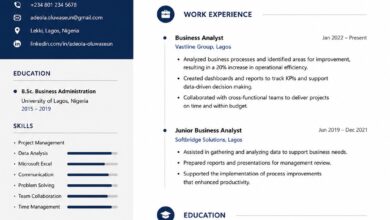
Tailor your CV and cover letter to match the job description. Highlight relevant achievements, measurable results, and alignment with the NGO’s values.
Step 3: Submit Application Online
Most NGOs use online portals. Ensure you attach all required documents in the specified format.
Step 4: Application Confirmation
After submission, you’ll receive an automated confirmation email. Keep it for reference.
Step 5: Interview Invitation
Shortlisted candidates are invited for interviews (virtual or in-person). Some may require written tests or technical assessments.
Step 6: Reference and Background Checks
Most NGOs conduct background and reference checks before final selection.
Screening or Selection Process
The recruitment process typically includes:
-
Application Review – Initial screening for eligibility and qualifications.
-
Technical Assessment – Written tests assessing knowledge of development issues.
-
Competency-Based Interview – Evaluates professional experience, problem-solving ability, and alignment with organizational values.
-
Panel Interview – Final stage for senior roles, involving directors or country representatives.
-
Reference and Background Verification – Confirms authenticity of credentials and past work.
-
Job Offer and Onboarding – Formal employment offer followed by orientation and induction training.
International NGO Jobs in Nigeria 2025/2026
Frequently Asked Questions (FAQs)
1. What are the top international NGOs hiring in Nigeria in 2025?
UNICEF, WHO, UNDP, World Vision, Plan International, CARE, Mercy Corps, Oxfam, and the International Rescue Committee (IRC) are among the leading employers.
2. How can I get NGO experience without prior work history?
Volunteering with local NGOs or participating in community projects helps you gain relevant skills and visibility.
3. Are NGO jobs in Nigeria open to all nationalities?
Yes. While some positions prioritize Nigerian nationals, others are open to international candidates depending on donor requirements.
4. Do NGOs in Nigeria provide remote or hybrid work options?
Yes, especially for administrative, finance, and research roles. However, field positions require in-person presence.
5. What is the career growth potential in NGO jobs?
Strong. Professionals can advance from project support roles to national and regional leadership positions.
6. Do I need to speak foreign languages?
Fluency in English is mandatory. French is an added advantage, particularly for West African regional roles.
7. Are NGO jobs permanent or contract-based?
Most roles are project-based contracts ranging from 6 months to 3 years, renewable upon funding availability.
8. Can fresh graduates apply?
Yes. Many NGOs offer internship and graduate trainee programmes.
9. How can I prepare for NGO interviews?
Research the organization’s mission, read recent reports, and prepare real-world examples of problem-solving and teamwork.
10. Do NGOs in Nigeria pay in foreign currency?
Some international roles are paid in USD or EUR, especially donor-funded positions or expatriate contracts.
Testimonies
1. Chinyere, Programme Officer (UNICEF):
“Working with UNICEF opened my eyes to the realities of child protection in northern Nigeria. The job is demanding, but the impact we make in children’s lives makes it worthwhile.”
2. Musa, Logistics Coordinator (ICRC):
“I joined ICRC after years in private logistics. The humanitarian sector offers not just a salary but purpose — delivering life-saving supplies during emergencies.”
3. Sarah, Education Specialist (Plan International):
“My role focuses on empowering girls through education. Seeing communities transformed by our programmes is deeply fulfilling.”
4. Emeka, Monitoring & Evaluation Officer (Mercy Corps):
“The exposure to international best practices and the emphasis on measurable results have greatly advanced my career.”
5. Aisha, Finance Officer (Oxfam):
“Oxfam provided structured professional development and leadership opportunities. It’s an environment that truly values integrity and teamwork.”
Conclusion
In 2025, international NGO jobs in Nigeria represent one of the most promising career paths for professionals committed to social impact, sustainability, and humanitarian service. As the nation continues to collaborate with global development partners to achieve the Sustainable Development Goals, demand for qualified individuals across all sectors from health and education to governance and climate resilience remains strong.
Aspiring candidates should focus on building relevant skills, volunteering, and maintaining professional certifications to remain competitive in this evolving sector. By following the right application channels, crafting targeted résumés, and demonstrating a genuine commitment to community development, applicants can successfully build fulfilling careers within Nigeria’s vibrant international NGO ecosystem.